
Metal Frame vs Wooden Gazebo: Which Is Best for Your UK Garden in 2026?

You've decided you need a garden gazebo, and honestly, that's the easy part. Now comes the tricky bit: metal gazebo or wood gazebo? I've lost count of how many times I've had this exact conversation with customers, genuinely torn between these two options. One week you're convinced a sleek metal structure is perfect, the next you're dreaming of roses climbing up chunky wooden posts.
Here's the thing, there's no universally "right" answer. The best gazebo for your garden depends on what you actually need it to do, how much time you want to spend maintaining it, and whether it'll suit your garden's personality. Some people love the low-maintenance appeal of metal frames, while others can't imagine anything but natural wood in their outdoor space.
In this guide, I'm going to walk you through the real differences between metal and wooden gazebos, the genuine pros and cons of each, and help you figure out which one makes sense for your specific situation. We'll look at actual examples of both types, so you can see what each brings to the table.
Understanding the Basics: What Makes Metal and Wooden Gazebos Different?
Metal Gazebo Construction and Materials
When people talk about metal gazebos, they're usually referring to structures with frames made from galvanised steel or, less commonly, aluminium. The galvanised steel option is what you'll see most often in UK gardens because it handles our weather brilliantly without rusting.
Most metal gazebos feature powder-coated finishes in neutral colours like grey, black, or occasionally mocha brown. This coating isn't just about appearance, it adds an extra layer of protection against the elements. The frames themselves tend to be quite slim and clean-lined, which gives them that contemporary look.
What sets metal gazebos apart structurally is the roof system. Rather than solid timber or tiles, you're typically looking at fabric canopies made from polyester or similar weather-resistant materials. Many come with retractable roofs or removable fabric sections, which is handy when you want full sun one day and shelter the next.
The curtain sides you'll find on metal structures are another defining feature. These zip-up or tie-back fabric panels offer privacy, wind protection, and even keep insects at bay during summer evenings. It's this combination of metal frame plus fabric elements that creates the overall structure.
Wooden Gazebo Construction and Materials
Wooden gazebos, or more accurately wooden pergolas in many cases, take a completely different approach. The construction centres on chunky timber posts and beams, usually made from pressure-treated softwood. Some higher-end versions use FSC-certified timber, which means the wood comes from responsibly managed forests.
The pressure treatment process is crucial for UK gardens. It forces preservatives deep into the wood fibres, protecting against rot, fungal decay, and insect damage. Without this treatment, untreated timber would struggle in our damp climate.
Most wooden structures feature an open-roof design with slatted beams that create dappled shade rather than complete coverage. This classic pergola style is deliberate, it allows climbing plants to weave through the timber and create a living, green roof over time. Some wooden gazebos do come with solid roofs or polycarbonate panels, but the traditional open design remains most popular.
The aesthetic here is all about natural warmth and texture. Even when pressure-treated, the wood grain remains visible, and the structure ages and weathers in a way that many gardeners find appealing. There's a solidity to wooden gazebos that comes from the chunky timber dimensions, typically around 70mm to 90mm thick posts.
The Pros and Cons of Metal Gazebos for UK Gardens
Advantages of Metal Garden Gazebos
Durability and Weather Resistance
Metal frames genuinely withstand UK weather conditions in a way that impresses most people. Galvanised steel resists rust even when exposed to our frequent rain, and the powder-coated finishes hold up remarkably well against everything from summer sun to winter frost.
Wind resistance is particularly strong with metal structures because the frames can be engineered with precise stress tolerances. When properly anchored, a quality metal gazebo won't budge in typical British breezes, and many are designed to handle gusts up to 40mph or more.
The Titan 3m x 3m Grey Steel Frame Gazebo is a perfect example of what modern metal construction offers. The galvanised steel frame provides genuine year-round stability, whilst the weather-resistant polyester fabric roof and curtains handle everything from unexpected summer showers to autumn drizzle. What I particularly appreciate about this design is how the curtain sides function, you can zip them fully closed during a downpour or tie them back when you want open airflow.
Low Maintenance Requirements
This is where metal really shines, you know? Once it's up, you're essentially done. There's no annual treatment schedule, no staining, no worrying about whether you've sealed every bit of exposed timber before winter arrives.
Cleaning typically involves nothing more than hosing down the frame once or twice a year and checking that the fabric elements haven't accumulated debris. If you've got a busy life and limited time for garden maintenance, that simplicity is worth quite a bit.
Quick Installation and Assembly
Most metal gazebos are designed for relatively straightforward DIY assembly. The components bolt together without requiring specialist carpentry skills or tools beyond a socket set and drill. You're usually looking at a weekend project rather than a week-long construction job.
The lighter weight of metal frames compared to chunky timber also means fewer people needed for assembly. Two people can typically handle most metal gazebos without too much difficulty.
Contemporary Appeal and Clean Lines
If your garden leans modern or minimalist, metal structures fit that aesthetic naturally. The slim frames and neutral colours create a clean backdrop that doesn't compete with your planting or outdoor furniture.
Versatility with Curtain Sides
Those fabric curtain sides I mentioned earlier add genuine versatility. You can create an enclosed outdoor room for privacy, block low sun angles during summer evenings, or shelter from wind whilst still enjoying the garden. Some people even use them to create a warmer microclimate for tender plants.
Disadvantages of Metal Gazebos
Less Natural Aesthetic Integration
Metal structures can look a bit stark in traditional or cottage-style gardens. If you've got climbing roses, herbaceous borders, and that classic English garden vibe going on, a metal frame might feel out of place.
The contemporary appearance that works brilliantly in modern settings can clash with heritage properties or period gardens. It's not impossible to integrate metal gazebos into these spaces, but it requires more thought.
Heat Absorption in Direct Sun
Metal frames absorb and retain heat when exposed to direct summer sun. This means the posts and beams can become uncomfortably hot to touch during July and August. It's not usually a major issue, but it's something to be aware of if you've got young children who might grab the frame whilst running about.
Limited Customisation Options
Unlike wood, which you can sand, paint, stain, or modify relatively easily, metal structures are essentially fixed in their appearance. The colour and finish you choose at purchase is what you're stuck with.
Attaching additional elements like shelves, hooks, or decorative features also requires drilling into metal, which can compromise the protective coating if not done carefully.
The Pros and Cons of Wooden Gazebos for UK Gardens
Advantages of Wooden Garden Gazebos
Natural Beauty and Garden Integration
There's something about timber that just feels right in a garden setting. Wood has warmth, texture, and a natural quality that blends with plants and landscape in a way metal simply can't match.
Wooden gazebos create focal points that feel like they've always belonged. They complement both traditional cottage gardens and contemporary designs, which is quite a versatile achievement for a single material.

Take the Chunky Wooden Garden Pergola 3M X 3M, for instance. This handmade UK structure showcases exactly what quality timber construction offers. The pressure-treated wood resists decay whilst maintaining that gorgeous natural grain, and the generous 3m x 3m footprint creates a genuine outdoor room. What customers love most is how the open-beam roof design invites climbing plants like wisteria, jasmine, or clematis to weave through and create a living canopy.
Customisable Finish and Colour
Wood accepts paint and stain beautifully, which means you can customise the appearance to match your garden scheme. Fancy a soft sage green to complement your planting? Go for it. Want classic white for a coastal garden feel? That works too.
You can also choose to let the timber weather naturally to a silvery grey patina, which many people find attractive. The choice is entirely yours, and you can change your mind later by sanding back and refinishing.
Perfect Support Structure for Climbing Plants
This is where wooden pergolas really excel. The timber beams provide ideal attachment points for climbing plants, and as the greenery grows, it softens the structure and creates that sought-after garden-room atmosphere.
Roses, honeysuckle, grape vines, and clematis all thrive on wooden pergolas. Over a few growing seasons, you can create a genuinely stunning feature that looks nothing like it did on installation day.
Timeless Classic Appeal
Pergola designs have been around for centuries, and that classic style doesn't date. Whilst contemporary trends come and go, a well-built wooden pergola maintains its appeal across decades.
This longevity of style means you won't look at your gazebo in five years and wish you'd chosen something different.
Disadvantages of Wooden Gazebos
Higher Maintenance Requirements
Wood needs attention to stay in good condition. Even pressure-treated timber benefits from additional protective coatings applied every 1-2 years. This might be a wood stain, preservative, or paint, depending on your chosen finish.
You'll also need to check regularly for any signs of damage, splits in the timber, or areas where water might be pooling. It's not hugely time-consuming, but it's definitely more involved than metal maintenance.
Weather Vulnerability Without Proper Care
If you neglect the maintenance schedule, wood can deteriorate. Water ingress can cause rot, particularly in end grain or joints. Timber can warp, crack, or split as it expands and contracts with temperature and moisture changes.
The good news is that pressure treatment significantly reduces these risks, but it doesn't eliminate them entirely. Regular care is the price you pay for natural materials.
Open Roof Design Limitations
Most wooden pergolas feature open-slatted roofs that create dappled shade but don't provide complete shelter from rain. If you need full weather protection for outdoor furniture or dining, you'll likely need to add a separate roof solution like polycarbonate sheets or fabric canopies.
This open design is lovely when you want climbing plants, but less practical when you want guaranteed dry space.
Comparing Metal and Wooden Gazebos: Key Considerations for UK Homeowners
Weather Protection and Shelter
In terms of pure weather protection, metal gazebos with full fabric roofs and curtain sides win hands down. They create enclosed spaces that genuinely shelter you from rain, wind, and even keep you warmer on cooler evenings.
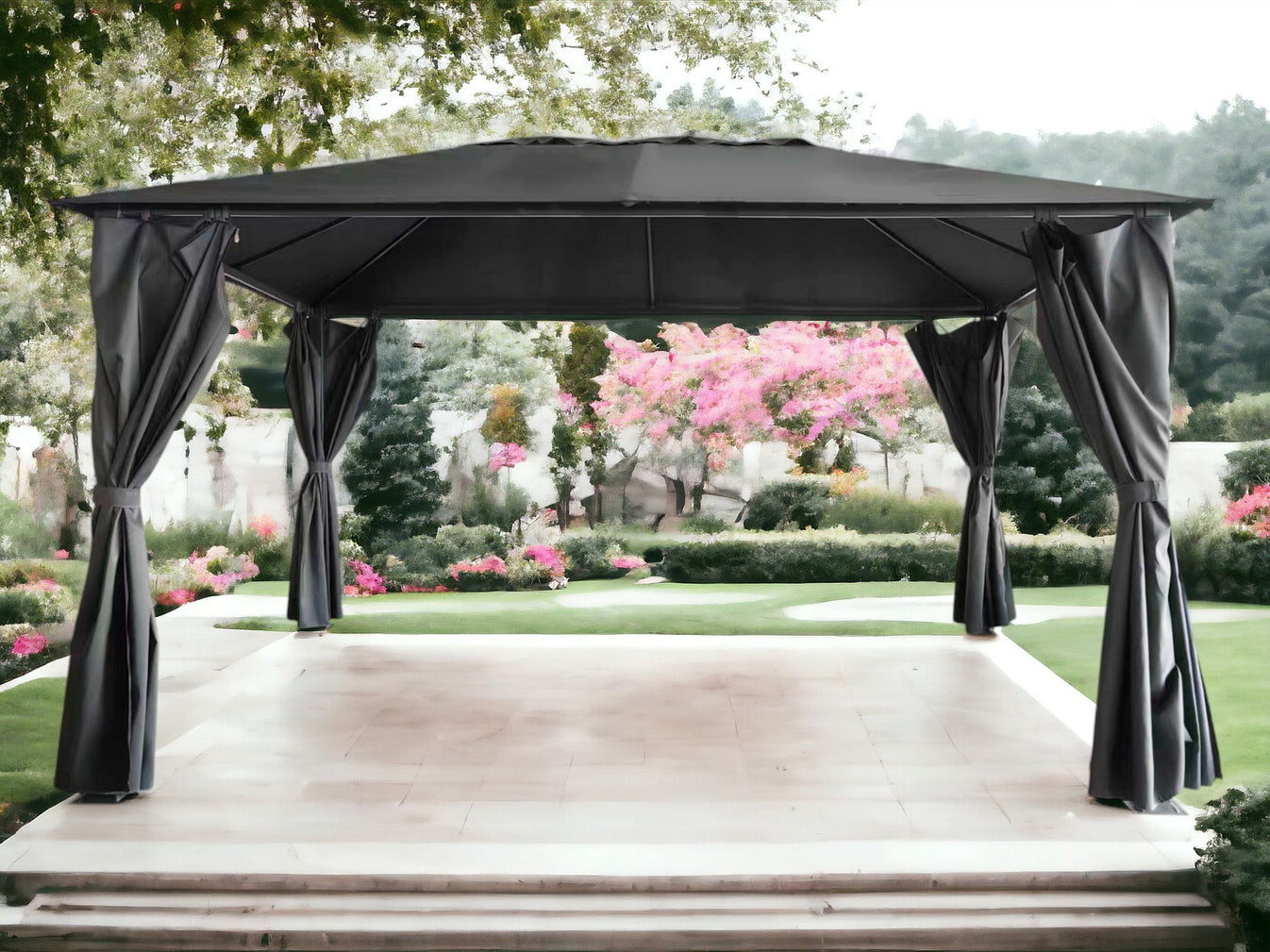
For larger spaces where comprehensive weather protection matters, something like the Titan 4m x 3m Large Gazebo delivers serious functionality. The generous dimensions create a properly usable outdoor room, whilst the curtain sides zip closed to create genuine shelter from the unpredictable British weather. I've heard from customers who use these well into autumn because the enclosed sides block wind so effectively.
Wooden pergolas excel at creating dappled shade and work beautifully for hot sunny days when you want airflow but not direct sun beating down. However, they won't keep you dry during rain unless you add supplementary roofing.
The choice really depends on your priorities. Need all-weather protection? Metal wins. Want shade and plant support? Wood excels.
Maintenance and Longevity
For sheer low-maintenance convenience, metal structures require minimal effort. An annual check of fixings, occasional cleaning, and potential fabric canopy replacement every few years covers it.
Wooden gazebos need regular treatment to maintain protection against rot and weathering. This involves cleaning, possibly sanding, and applying fresh stain or preservative every 1-2 years. It's not difficult work, but it needs doing.
In terms of longevity, both can last decades with proper care. Quality galvanised steel frames can easily give 15-20 years of service, with only the fabric elements needing replacement. Well-maintained pressure-treated timber can last just as long, sometimes longer, but that longevity depends entirely on consistent maintenance.
If you're the sort of person who enjoys pottering about in the garden and doesn't mind a weekend project treating timber, wood won't feel burdensome. If you'd rather spend that time doing literally anything else, metal makes more sense.
Aesthetic Appeal and Garden Integration
This is surprisingly subjective. What feels "right" in one garden might look completely wrong in another.
Metal gazebos suit contemporary gardens, modern new-builds, and minimalist designs brilliantly. The clean lines and neutral colours create structure without visual clutter. They work particularly well in urban gardens where architectural elements already dominate.
Wooden structures integrate beautifully into traditional gardens, cottage-style landscapes, and anywhere you want that natural, organic feel. They complement established planting schemes and heritage properties without looking incongruous.
That said, you can make either work in most gardens with thoughtful placement and surrounding planting. A metal gazebo softened with climbing plants and surrounded by full borders can look lovely in a cottage garden. Similarly, a wooden pergola can work in contemporary settings if finished in the right colour and kept architecturally clean.
Installation and Assembly
Metal gazebos generally offer easier DIY assembly. The components are lighter, the fixings are straightforward bolt-together systems, and the instructions tend to be clear. Two reasonably capable people can typically assemble a metal gazebo in 4-6 hours.
Wooden gazebos require more physical strength for moving components and more precision in assembly to ensure everything's square and level. The timber's weight means you might need additional help. Budget a full day or weekend for installation.
Neither typically requires professional installation unless you're particularly nervous about DIY projects, but metal definitely has the edge for convenience.
Budget Considerations
The upfront costs of metal and wooden gazebos sit in similar ranges, particularly when comparing like-for-like sizes and quality levels. You'll find both types from around £300 for compact models up to £500+ for larger, premium options.
Where the costs diverge is long-term maintenance. Metal structures cost less over time because you're not buying treatment products every year. Wooden gazebos accumulate maintenance costs that, whilst individually small, add up across the structure's lifetime.
However, wooden structures can potentially be repaired more easily. A damaged timber beam can be replaced without affecting the entire structure. With metal frames, damage might require complete replacement of sections or even the whole unit.
Consider both initial investment and 10-year ownership costs when comparing options.
Which Gazebo Style Suits Different UK Garden Types?
For Contemporary and Modern Gardens
If your garden features clean lines, architectural planting, and contemporary materials like composite decking or rendered walls, metal gazebos are your natural match.
The slim frames don't compete visually with bold structural planting, and neutral grey or black finishes complement modern colour palettes perfectly. Metal structures enhance the architectural quality of contemporary spaces rather than softening them.
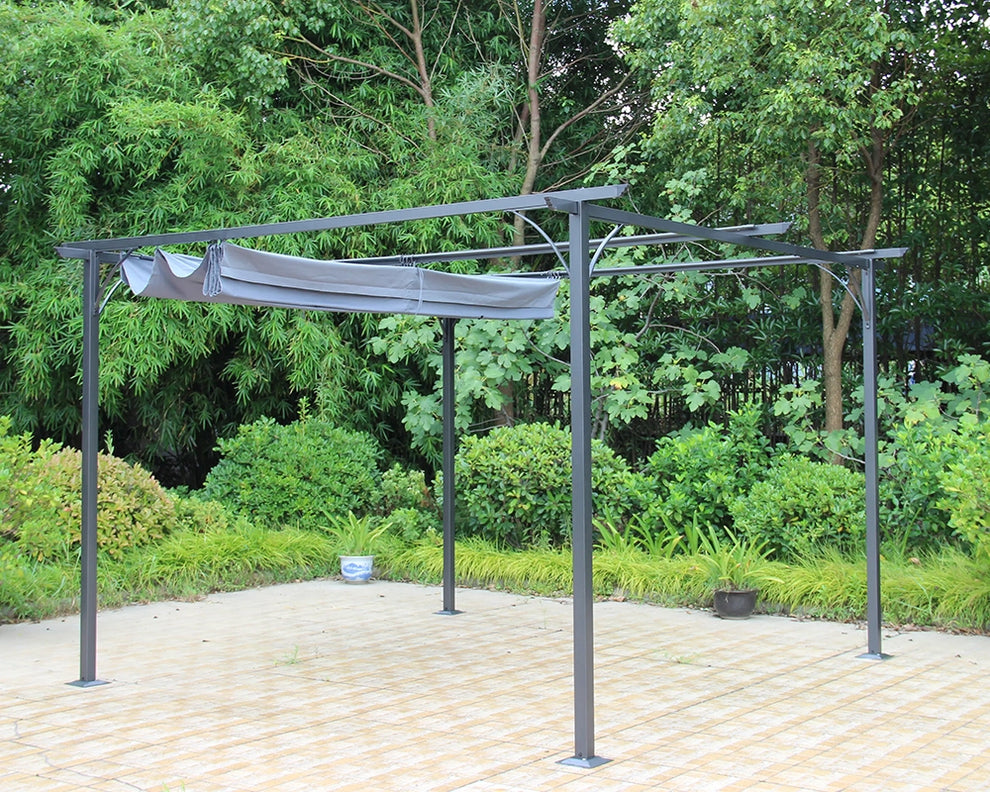
The Prague 3.5m x 3.5m Gazebo with Retractable Roof brings something particularly clever to modern gardens: control. The retractable roof slides back when you want full sun or stargazing, then extends when you need shade or rain protection. That flexibility suits contemporary lifestyles where you want your outdoor space to adapt to different uses throughout the day.
The larger footprint also creates a proper outdoor room rather than just a covered corner, which works brilliantly in modern garden designs that blur the boundary between inside and outside living.
For Traditional and Cottage-Style Gardens
Wooden pergolas feel at home in established gardens with traditional planting schemes. The natural timber complements brick walls, stone paving, and the informal abundance of cottage-garden borders.

The Chunky Wooden Pergola 3M X 2.4M showcases exactly why wood works so well in traditional settings. The rectangular footprint suits long narrow gardens or areas beside walls where you want to create defined zones. The open-beam design invites climbing roses or honeysuckle to scramble through, creating that romantic, lived-in garden atmosphere.
This size also works brilliantly for covering garden furniture or creating a shaded seating area that feels like an extension of the garden rather than an addition to it. The rustic charm develops beautifully as the timber weathers and plants establish.
For Small Patios and Compact Spaces
Limited outdoor space doesn't mean you can't have a gazebo, you just need to choose your dimensions carefully.

For wooden options, the 2.4M X 2.4M Chunky Wooden Pergola offers the smallest practical footprint whilst still creating usable covered space. This square format fits neatly into courtyard gardens or onto compact patios without overwhelming the area. You can comfortably fit a small bistro set underneath or create a cosy corner with a bench and potted plants.
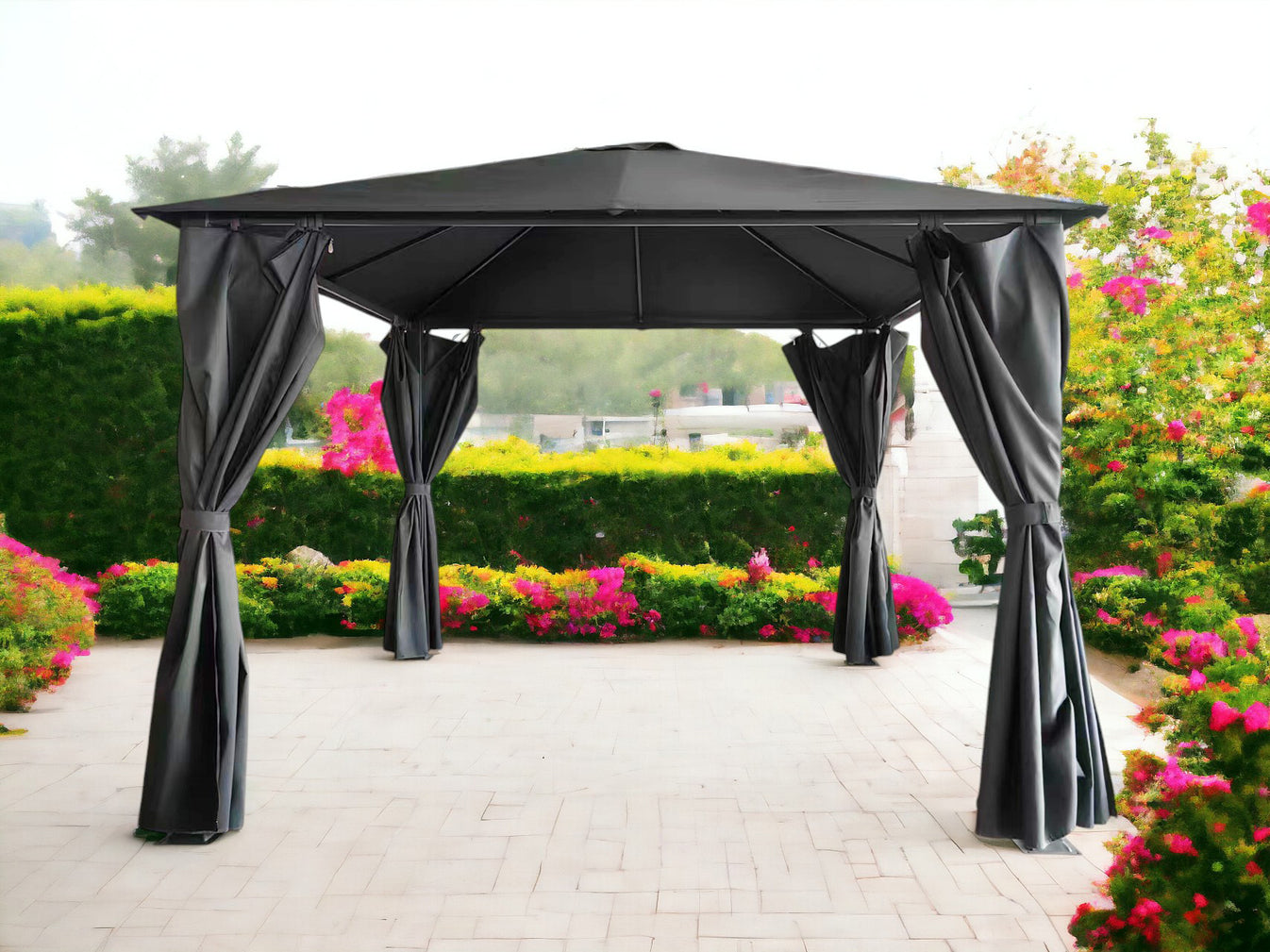
If weather protection matters more than plant support, the Titan 2.5m x 2.5m Gazebo delivers maximum functionality in a compact package. The curtain sides create an enclosed space that feels private and sheltered even in small gardens. I've seen these work brilliantly on balconies and tiny townhouse patios where every square metre counts.
The neutral grey blends into the background, which helps smaller spaces feel less cluttered. With curtains tied back, it remains open and airy, but you've got that weather protection ready when needed.
For Entertaining and Outdoor Dining
When your garden's main purpose is hosting friends and family, you need a structure that creates a genuine outdoor dining room.

The Dubai 3m x 3m Gazebo in Mocha brings something different to the entertainment space: warmth through colour. Whilst most metal gazebos stick to grey or black, this mocha brown offers the weather protection and low maintenance of metal construction but with a softer, warmer aesthetic that suits outdoor dining beautifully.
The 3m square footprint comfortably accommodates a six-person dining table with room to move chairs back. The powder-coated steel frame withstands typical British summer weather, and the curtain sides mean unexpected rain showers won't ruin your garden party. Just zip the sides closed and carry on.
I've had customers tell me they use these from May through September for regular alfresco dining, something that wouldn't be practical with an open-roof wooden pergola.
Making Your Final Decision: Metal or Wood?
Choose Metal If...
- Low Maintenance Tops Your Priority List - If the thought of annual timber treatment fills you with dread, metal is the sensible choice. Once installed, you're essentially done with maintenance beyond basic cleaning. For time-poor gardeners, that convenience is genuinely valuable.
- Your Garden Has Contemporary Design - Metal structures complement modern gardens naturally. They enhance rather than compete with architectural planting and contemporary materials.
- Full Weather Protection Matters - Need to keep garden furniture dry? Want to dine outside even when drizzle threatens? Metal gazebos with fabric roofs and curtain sides deliver proper shelter that wooden pergolas simply can't match.
- Quick Assembly Appeals - Metal structures generally assemble faster and with less physical effort than wooden options. If you want your gazebo up and usable this weekend rather than next month, metal wins.
- Year-Round Outdoor Living Is the Goal - Enclosed metal gazebos extend the usable season for outdoor space. With sides closed against wind and some outdoor heating, you can comfortably lounge or dine outside well into autumn.
Choose Wood If...
- Natural Aesthetics Can't Be Compromised - If you simply prefer the look and feel of natural materials, no amount of practical metal advantages will change that. Wood has warmth and character that resonates with many gardeners on an aesthetic level that's beyond rational comparison.
- Creating a Living, Green Structure Appeals - Wooden pergolas become lovelier as climbing plants establish and weave through the beams. If you're excited about creating that living garden room, wood is your only real option.
- Traditional Garden Style Dominates - Cottage gardens, heritage properties, and traditional landscapes simply suit wooden structures better. The natural material integrates visually in a way metal can't quite achieve.
- Maintenance Doesn't Faze You - If you already treat fence panels, maintain wooden furniture, and generally don't mind garden upkeep tasks, adding pergola treatment to your schedule won't feel burdensome.
- Customisation Flexibility Matters - Want to paint your gazebo to match your fence? Fancy trying a blue-grey wash next year? Wood accepts finishes in a way that gives you creative freedom to change and adapt the look over time.
Frequently Asked Questions
Do wooden gazebos rot in UK weather?
Honestly, yes, untreated wood will eventually rot in our damp climate. That's why pressure-treated timber is so important for outdoor structures. The treatment process forces preservatives deep into the wood fibres, protecting against fungal decay, insect damage, and moisture-related rot.
Quality pressure-treated pergolas can easily last 15-20 years or more with proper care. The key is maintaining that protection by applying additional wood stain or preservative every 1-2 years. This top-up treatment keeps water from penetrating the timber and maintains the protective barrier.
Pay particular attention to end grain where posts have been cut, as this is where water ingress typically starts. A good quality exterior wood stain provides both UV protection and water repellency.
If you notice any areas where water pools or sits against the timber, address it immediately. Standing water is timber's enemy in UK gardens.
Can metal gazebos withstand strong winds?
When properly anchored, quality metal gazebos handle typical UK wind conditions very well. The key word there is "anchored." Simply placing a metal gazebo on your patio without securing it is asking for trouble when autumn gales arrive.
Most metal structures include ground stakes or anchor points designed to fix the frame securely. In exposed locations or for permanent installations, concrete footings or bolting to paving provides better stability.
The frame design matters too. Galvanised steel frames engineered with cross-bracing and welded joints offer superior wind resistance compared to basic bolted corner connections.
During extreme weather warnings, it's wise to remove loose fabric panels if possible or ensure everything's zipped and tied securely. The fabric canopy acts like a sail if left loose, creating wind load that can stress the frame.
Most quality metal gazebos specify wind resistance ratings. Look for structures rated for gusts of 40mph or higher if you're in an exposed location.
Which type of gazebo offers better value for money?
This depends entirely on how you define value. If you measure value purely by initial cost versus years of use with minimal additional spending, metal gazebos edge ahead due to dramatically lower maintenance requirements.
However, if you factor in aesthetic contribution to your garden, potential to increase property appeal, and personal enjoyment, wooden pergolas might offer better value despite higher maintenance costs. That living green canopy created by climbing plants has worth that's hard to quantify in pounds.
Consider your 10-year ownership scenario. Metal might cost £450 initially with perhaps £100 in fabric replacement over a decade. Wood might cost £400 initially but add £200-300 in treatment products and time. Financially, metal wins marginally.
But if you genuinely love how the wooden structure looks and enjoy tending it, that extra £100-200 over ten years (roughly £1.50-2.50 per month) might feel like excellent value.
Can I add a roof to a wooden pergola?
Absolutely, yes. Many people start with an open-beam wooden pergola and later add roofing when they realise they want more weather protection.
The simplest option is adding clear or tinted polycarbonate sheets across the top beams. This maintains light penetration whilst shedding rain. You'll need to add a slight slope for drainage.
Alternatively, you can stretch canvas or waterproof fabric across the beams and secure it with ties or hooks. This creates a softer, more temporary solution that you can remove when not needed.
Some people add wooden shingles or tiles to create a permanent solid roof, though this requires ensuring the pergola structure is strong enough to handle the additional weight.
The beauty of wooden construction is that you can easily screw additional supports or fixing points into the timber to accommodate whatever roofing solution you choose.
How long does each type of gazebo last?
With proper care, both metal and wooden gazebos can serve your garden for well over a decade.
Quality galvanised steel frames should last 15-20 years minimum, potentially longer. The frame itself is incredibly durable. What you'll likely need to replace is the fabric canopy and curtain panels, which typically last 3-5 years before UV degradation and weather exposure necessitate replacement.
Pressure-treated wooden pergolas also last 15-20 years when properly maintained. The critical factor is consistent treatment with preservative or stain every 1-2 years. Neglected timber can deteriorate significantly faster, potentially showing serious rot issues within 5-7 years.
I've seen well-cared-for wooden pergolas still going strong after 25-30 years, and similarly, neglected metal gazebos rusting and failing within 10 years due to coating damage and inadequate anchoring.
Your maintenance commitment directly impacts longevity for both types, but wood demands more regular attention to achieve its potential lifespan.
Metal vs Wood: Choosing Your Garden's Perfect Structure
The choice between metal and wooden gazebos isn't about finding the objectively "best" option, because honestly, that doesn't exist. It's about matching the right structure to your specific garden, lifestyle, and priorities.
Metal frames deliver unbeatable convenience, comprehensive weather protection, and contemporary appeal with minimal ongoing effort. They're brilliant for modern gardens, busy households, and anyone who wants outdoor living space that simply works without fuss.
Wooden pergolas bring natural beauty, traditional charm, and that special magic of becoming greener and lovelier as plants establish. They suit gardeners who enjoy maintenance, value aesthetics highly, and want structures that integrate organically into established landscapes.
Both types can transform your outdoor space into somewhere you actually want to spend time rather than just look at through the window. The "right" choice is whichever one you'll genuinely use and enjoy for years to come.
Take a good look at your garden, think honestly about how much maintenance you'll realistically do, and consider whether you want weather protection or plant support as your primary function. The answer should become pretty clear.


