
How to Choose a Heavy Duty Gazebo That Actually Lasts in UK Weather: Complete Buyers Guide
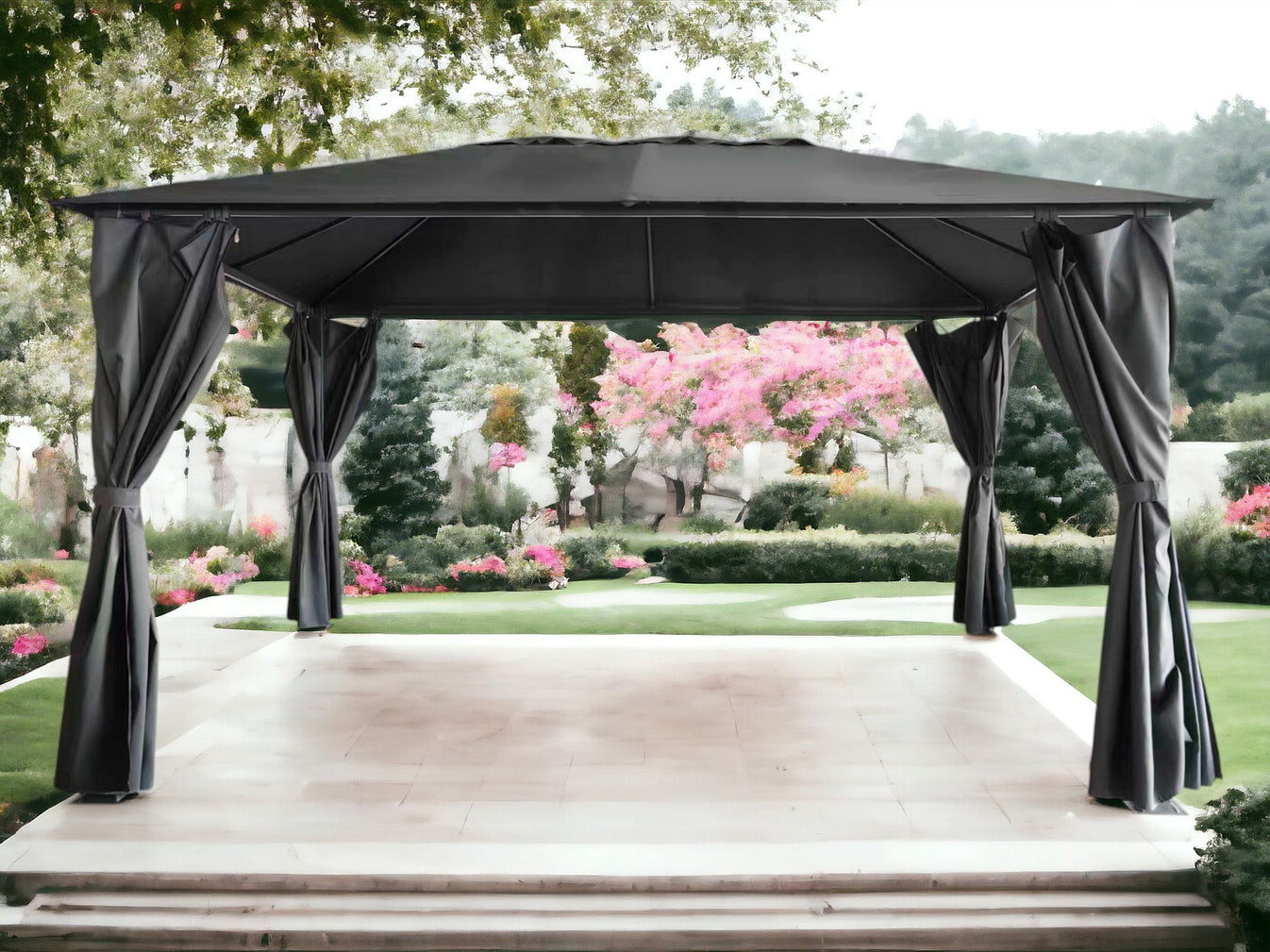
We've all been there. You invest in what looks like a decent gazebo, get it set up in the garden, and then watch helplessly as the first proper autumn gale turns it into a twisted mess of bent poles and torn fabric. Or maybe it lasted through summer, but by October there's rust appearing on the frame and water pooling on the roof.
It's frustrating, honestly. You spend good money on something that's supposed to make your garden more usable, only to find it can't handle a typical British Tuesday in November.
Why UK Weather Demands a Heavy Duty Gazebo
Understanding Britain's Unique Climate Challenges
Let's be honest about what UK weather actually means for outdoor structures. It's not just the rain, though we certainly get enough of that. It's the combination of challenges that makes our climate particularly tough on gazebos.
Wind is the big one that people underestimate. Those sudden gusts that come out of nowhere, especially in autumn and winter, can lift lighter gazebos clean off the ground or collapse frames that aren't properly braced. If you live on the coast, you know exactly what I'm talking about. The wind there is relentless.
Summer storms bring their own problems. Those sudden downpours that come with barely any warning can dump an incredible amount of water onto a roof in minutes. If the design doesn't shed water properly, you'll end up with sagging, pooling, and potential collapse.
Standard lightweight gazebos fail because they're designed for occasional use in gentle conditions. They might be fine for a garden party on a calm summer day, but leave them up year round in a UK garden and they simply don't have the structural strength or weather resistance to cope. What you need is a heavy duty gazebo and in this guide I'll be breaking down how to find the perfect one for your garden space.
Key Features to Look for When Choosing a Heavy Duty Gazebo
Frame Material and Construction
The frame is everything. Get this wrong and nothing else matters because your gazebo won't be standing long enough for you to worry about the other features.
You'll see two main materials advertised: steel and aluminium. Both are metal, both sound sturdy, but they perform very differently in UK conditions.
Galvanised steel is what you want for serious durability. It's heavier than aluminium, which actually works in your favour because that extra weight provides stability. More importantly, the galvanisation process coats the steel in a layer of zinc that protects against rust. This is crucial in our damp climate.
Aluminium is lighter and won't rust, which sounds great until you realise that lighter also means less stable in wind. Aluminium frames need to be significantly thicker to match the strength of steel, and you don't always get that thickness in mid-range gazebos. For a permanent heavy duty gazebo, steel wins.
Look for powder-coated finishes on top of the galvanisation. This adds an extra layer of protection and means the frame will still look good years down the line rather than showing that characteristic weathered grey of exposed galvanised metal.
Frame thickness matters enormously. You want substantial tubing, not the thin-walled stuff that bends if you lean on it. Check the specifications if you can. Corner bracing and reinforcement are also key, these are the points where wind loads concentrate and where cheaper gazebos tend to fail first.
Pay attention to how joints are constructed. Welded connections are generally stronger than bolted ones, though quality bolted systems can work well if they're properly engineered. What you don't want are flimsy clips or connections that rely on small screws.
Roof Design and Waterproofing
A good roof does two jobs: it keeps you dry and it doesn't collapse under the weight of water. You'd think this would be basic, but you'd be surprised how many gazebos get this wrong.
The shape matters. Flat roofs are a disaster waiting to happen because water pools in the middle. You need a pitched or sloped design that actively sheds water towards the edges and away. Some gazebos use a subtle curve or gentle slope, others have a more pronounced pitch. Either works as long as water runs off rather than sitting there.
Waterproof ratings are worth checking if the manufacturer provides them. A truly waterproof material won't just resist light drizzle, it'll handle a proper downpour without leaking. The fabric should have a high hydrostatic head rating, basically a measure of how much water pressure it can withstand before leaking through.
Retractable roofs give you flexibility for our changeable weather. When the sun's out, you can open it up. When rain threatens, close it over. The mechanism needs to be solid, though. Cheap sliding systems jam or break, so this is a feature worth paying a bit more for if you want it.
UV protection matters more than you might think. British summer sun can still fade fabrics and degrade materials over time. A roof with UV-resistant coating will last significantly longer and won't turn from grey to a sad, bleached colour after one summer.
Think about how the roof attaches to the frame as well. You want secure fixings that won't work loose in wind. The roof fabric should be taut when properly installed, not sagging or flapping, because movement in wind is what causes wear and eventual failure.
Ground Anchoring and Stability
Here's something people often don't think about until their gazebo is halfway across the garden: how it stays in place.
Heavy duty gazebos need a proper anchoring system. The weight of the frame helps, but it's not enough on its own when you're dealing with wind that can generate significant lift forces.
For permanent installations, you're looking at ground anchors or concrete footings. Ground anchors are steel stakes that screw or hammer deep into the soil, providing a secure fixing point. These work well for most gardens but need decent soil depth. If you're on shallow soil over rock, you might need concrete pads instead.
Different ground types need different approaches. Soft soil needs longer anchors to get sufficient grip. Hard ground might need pre-drilling. If you're anchoring to a patio or decking, you'll need appropriate bolts and fixings for that surface type.
Freestanding stability is about weight distribution and base design. A gazebo with a wide footprint and low centre of gravity will naturally be more stable than a tall, narrow one. Some designs include options for adding weight to the base, which helps in exposed positions.
Wind resistance ratings, when provided, give you an idea of what conditions the gazebo is designed to withstand. Be realistic about your location. If you're in an exposed coastal area or on a hilltop, you need something rated for higher wind speeds than if you're in a sheltered town garden.
The Best Types of Heavy Duty Gazebos for UK Gardens
Permanent Steel Frame Gazebos with Curtain Sides
If you want a gazebo that's genuinely going to stand up to UK weather year after year, permanent steel frame models with curtain sides are your best bet. These aren't the pop-up variety you see at summer fairs, these are proper structures designed to stay in place.
The beauty of these gazebos is their versatility. The steel frame provides the strength and weather resistance, whilst the curtain sides give you options. On a breezy but warm day, tie them back and enjoy the open air. When rain sweeps in or the wind picks up, drop them down for protection. You essentially create an outdoor room that adapts to conditions.
For larger gardens or if you're planning to use the space for dining or entertaining, the Titan 4m x 3m Grey Steel Frame Large Gazebo & Pergola with Curtain Sides offers excellent coverage. The galvanised steel frame is built to handle whatever our weather throws at it, and at 4m x 3m, you've got enough space for a proper dining table and chairs with room to move around.

What makes this work for UK conditions is the combination of sturdy construction and practical design. The curtain sides aren't just for show, they genuinely protect from wind-driven rain and provide a degree of insulation that makes the space usable even on cooler days. I've spoken to customers who use these well into autumn and even winter with a patio heater, which simply wouldn't be possible with an open structure.
The assembly is straightforward enough for a competent DIYer, though having a second person helps with the larger sections. Once it's up and properly anchored, it stays put.
For medium-sized gardens, the Titan 3m x 3m Grey Steel Frame Gazebo & Pergola with Curtain Sides gives you the same quality construction in a more compact footprint. This is the size that works brilliantly for most typical UK gardens, providing proper shelter without dominating the space.

The 3m x 3m size is ideal for a small seating area or bistro set. You can fit a four-seater table comfortably, or use it to shelter a hot tub, which is increasingly popular. The same galvanised steel frame construction means you're getting serious durability, and the polyester curtains hold up well to regular use.
What I particularly like about this size is that it doesn't require extensive ground preparation. You can position it on existing patio slabs or decking and anchor it securely without major groundwork.
If you're working with a smaller patio or courtyard garden, the Titan 2.5m x 2.5m Grey Steel Frame Gazebo & Pergola with Curtain Sides proves that compact doesn't mean compromising on quality. This is perfect for creating a cosy sheltered corner without taking up half your garden.

Don't let the smaller size fool you, this uses the same heavy duty construction as its bigger siblings. The galvanised steel frame means it's just as capable of withstanding wind and rain. It's a smart choice for terraced houses or modern homes with more modest outdoor spaces where you still want a proper weatherproof structure rather than a flimsy temporary solution.
The quick setup is genuinely quick with this size, you're looking at an afternoon rather than a full day's work. And because the footprint is smaller, you've got more flexibility with placement and positioning to make the most of your available space.
Steel Gazebos with Enhanced Weather Features
Beyond the standard permanent steel options, some gazebos include additional features specifically designed to cope with our changeable climate. These are worth considering if you want maximum flexibility or enhanced weather protection.
The Prague 3.5m x 3.5m Grey Steel Framed Gazebo & Pergola with Retractable Roof is particularly clever for UK weather. The retractable roof means you can adapt to conditions as they change, which happens often enough here.

On those lovely summer mornings, slide the roof back and enjoy the sunshine. When clouds gather, which they inevitably do, close it over before the rain starts. This flexibility extends the usable season because you're not choosing between full cover or no cover, you can adjust based on what the day actually brings.
The steel frame is treated for rust and corrosion resistance, which is essential given the increased moving parts with the retractable mechanism. The generous 3.5m x 3.5m size gives you plenty of space whilst the adjustable roof means you're not stuck with whatever configuration you initially set up.
One thing to note with retractable roofs is they do need occasional maintenance. Keep the sliding mechanism clean and free from debris, and it'll work smoothly for years. Let leaves and dirt build up, and you'll have problems.
For complete weather protection with a bit more visual warmth, the Dubai 3m x 3m Steel Framed Gazebo with Brown (Mocha) Roof & Sides offers something a bit different from the standard grey options.

The mocha colour adds a softer, warmer aesthetic that suits traditional gardens particularly well. More importantly, the powder-coated steel frame provides excellent rust protection. This coating acts as a barrier against moisture, which is your enemy in the constant dampness of UK weather.
Coming complete with side curtains means you get maximum weather protection straight out of the box. You're not buying the frame and then realising you need sides as well. The curtains zip on and off easily, so you can remove them for cleaning or when you want a more open feel in summer.
The relatively quick setup is a real benefit. These aren't simple pop-up gazebos, they're permanent structures, but the assembly process is logical and doesn't require specialist tools.
Factors to Consider Based on Your Garden and Usage
Matching Gazebo Size to Your Outdoor Space
Getting the size right matters more than you might think. Too small and you've wasted an opportunity. Too large and it overwhelms your garden or doesn't fit properly.
Start by actually measuring your available space. Don't just eyeball it. Get a tape measure and mark out where the gazebo will sit. Remember to account for the full footprint including any overhang from the roof and definitely include the curtain sides if you're planning to use them. Those sides add to the effective width when they're drawn.
As a general rule, you want at least 30-50cm of clear space around the gazebo. This gives you room to access all sides for maintenance, allows for guy ropes or anchoring if needed, and means you're not cramming it right up against fences or walls where airflow is restricted.
Think about what you'll actually use the space for. A dining area needs enough room for the table, chairs, and critically, space to pull chairs out and walk around them comfortably. A 3m x 3m gazebo works well for a four-seater dining set, but if you regularly host larger groups, you'll need the 4m x 3m option.
For hot tubs, measure the tub itself plus access space. You need to be able to get in and out safely, and having some covered area beside the tub for towels and drinks is essential. A 3m x 3m gazebo typically works well for standard hot tubs.
Consider the position in relation to prevailing winds and rain direction. If you know the wind usually comes from the west, positioning the gazebo with a solid wall or fence on that side provides natural protection. Similarly, if driving rain tends to come from a particular direction, you can orient the gazebo to minimise exposure.
Sun and shade patterns matter too. Track how the sun moves across your garden through the day. You might want the gazebo in a spot that gets morning sun but afternoon shade, or vice versa depending on when you'll use it most.
Permanent vs Semi-Permanent Options
This is a bigger decision than it might seem at first. Permanent structures offer maximum durability and weather resistance, but they're a commitment. Semi-permanent options provide flexibility but different characteristics.
Permanent heavy duty steel gazebos are designed to stay in place year-round. Once properly installed and anchored, they become a fixed feature of your garden. The advantages are clear: maximum structural strength, consistent weather protection, and no need to take them down and put them up seasonally.
The Titan range exemplifies this approach. These are structures you install once and then simply enjoy. The galvanised steel frames are built to withstand years of UK weather without degrading. You might replace the curtains eventually as fabric ages, but the frame itself should last decades with minimal maintenance.
Installation requires a bit more effort than temporary gazebos. You'll need to ensure level ground, proper anchoring into soil or hard surfaces, and potentially some basic groundwork. But this one-time effort pays off in long-term reliability.
Semi-permanent wooden structures offer a different appeal. They're still durable and weather-resistant, but they have that natural aesthetic that some gardens suit better. The Chunky Wooden Garden Pergola & Gazebo - 3M X 3M shows how timber can work as a heavy duty option when it's properly treated.

The pressure-treated timber construction means the wood is protected against rot and insect damage, which are the main concerns with wooden outdoor structures in our damp climate. It won't rust like unprotected metal might, and it ages gracefully rather than looking worn.
The open-roof design of this pergola style means it's not waterproof in the same way as the steel gazebos with covered roofs. However, this actually works brilliantly if you want to train climbing plants over it, creating a living roof that provides dappled shade and a gorgeous natural aesthetic. Wisteria, climbing roses, or jasmine turn it into something special.
Installation is straightforward for anyone comfortable with DIY. The timber construction is easier to work with than metal if you need to make any modifications, and it sits naturally in garden settings alongside planting and lawn.
The customisation potential with wooden structures is higher too. You can stain or paint them to match your garden scheme, add hanging baskets, string lights, or integrate them with decking or paving in ways that feel more organic than steel structures.
Additional Features That Enhance Durability and Usability
Side Curtains and Weather Protection
Side curtains transform a gazebo from a simple roof into a genuinely weather-resistant outdoor space. They're one of those features that seem optional until you actually have them, then you wonder how you'd manage without them.
The practical benefits are straightforward. When wind picks up, those curtains block gusts that would otherwise whistle through the gazebo making it uncomfortable to sit in. When rain comes in sideways, which it often does here, the curtains keep you and your furniture dry even when the rain isn't falling straight down.
Privacy is another advantage that people don't always anticipate. If your garden backs onto neighbours or overlooks a public area, being able to draw curtains creates a more intimate space. It's the difference between feeling like you're sitting in a goldfish bowl and having your own private outdoor room.
Removable curtains offer the best of both worlds. In summer when the weather's calm and you want airflow, take them off completely. In autumn and winter when protection matters more, fit them back on. This flexibility means you can adapt the gazebo to seasonal conditions rather than being stuck with one configuration year-round.
Integrated Lighting for Year-Round Use
Here's something that extends the usability of your gazebo far beyond what you might expect: proper lighting. In the UK, darkness falls early for much of the year. Without lighting, your gazebo is pretty much unusable after 4pm in winter.
The Luxury Gazebo 3x3m with LED - Taupe Curtains includes integrated solar-powered LED lighting that addresses this brilliantly.

Solar LEDs are ideal for garden gazebos because there's no need for wiring or external power. The panels charge during the day, even in typical British overcast conditions, and provide light in the evening. The LEDs are energy-efficient enough to run for hours on a single charge.
This extends your usable evenings considerably. Autumn afternoons sitting outside with a blanket and a cup of tea become possible when you've got proper lighting. Winter evening gatherings with friends, maybe with a patio heater going, work when the space is properly lit.
The taupe curtains on this model provide excellent weather protection whilst the elegant colour suits a wide range of garden styles. The combination of lighting and curtains means you've genuinely created an all-weather, all-season outdoor space rather than something that only works on perfect summer days.
The durable construction uses weather-resistant materials throughout, so you're not sacrificing build quality for the added features. The frame is designed to handle year-round exposure and the curtains are substantial enough to provide real protection rather than being decorative additions.
Ease of Assembly and Maintenance
Let's be realistic about assembly. These aren't flat-pack furniture items that go together in twenty minutes. Heavy duty gazebos require proper installation, but they shouldn't require a professional construction team either.
Most quality gazebos are designed for competent DIY assembly. You'll need basic tools, usually just spanners, screwdrivers, and possibly a drill for anchoring. Having a second person helps enormously with holding sections in place whilst you fix them, and for lifting larger roof panels into position.
Expect to spend a few hours on assembly for a medium-sized gazebo, potentially most of a day for larger models. The time investment pays off in having a structure that's properly installed and stable.
Ongoing maintenance for steel gazebos is minimal, which is part of their appeal. Check fixings periodically to ensure nothing's worked loose. Clean the frame with mild soapy water if dirt builds up. Inspect the roof fabric for any tears or wear, particularly after storms.
Winter care mostly involves common sense. Clear snow from roofs before weight becomes an issue, though well-designed roofs should shed snow naturally. If you're in an area prone to heavy snow, you might want to remove the roof fabric entirely during the worst months, though this isn't necessary for most of the UK.
Curtains need occasional cleaning. Most can be wiped down whilst attached, or remove them for a more thorough clean. Check zips and fixings remain functional. Replace curtains when they show significant wear, but with quality materials this shouldn't be needed for several years.
Choosing the Best Heavy Duty Gazebo for Your Garden: Final Thoughts
So here's what it comes down to. A heavy duty gazebo that actually lasts in UK weather needs a galvanised steel frame for serious strength and rust resistance, properly waterproof roofing that sheds water rather than pooling it, and a solid anchoring system that keeps it in place when the wind picks up.
The difference between a gazebo that lasts one season and one that's still standing strong five or ten years later isn't luck, it's down to choosing quality construction and materials designed for our specific climate challenges.
Measure your space carefully, think honestly about how you'll use it, and choose a size that fits both your garden and your actual needs rather than aspirational ones. A smaller gazebo you actually use beats a larger one that dominates the space and becomes an unused eyesore.
Consider whether you want maximum weather protection with full sides and curtains, or if you prefer the flexibility of retractable roofs and removable panels. Both approaches work, but they suit different usage patterns and priorities.
Investing properly in a heavy duty gazebo built for UK weather means transforming your outdoor space into somewhere genuinely usable for most of the year, not just the handful of perfect days we get each summer. It becomes an extension of your home where you can relax, dine, entertain, or simply enjoy being outside whilst being protected from whatever the weather brings.
All the gazebos featured in this guide are available with free UK delivery, and if you need advice on which model suits your specific garden and requirements, we're here to help. Take your time with the decision, do the installation properly, and you'll have an outdoor space that serves you well for years to come.


