
Sunroom vs Conservatory: Understanding the Key Differences and Choosing the Right Option for Your Home

You're standing in your garden on a drizzly April afternoon, imagining a bright, airy space where you could enjoy your outdoor views regardless of the weather. Perhaps you've been researching options and encountered terms like "conservatory" and "sunroom" being used seemingly interchangeably. Are they the same thing? Which one do you actually need? And why does it matter?
If you're confused, you're not alone. The difference between a conservatories and a sunrooms isn't always clear, especially as modern designs blur the traditional boundaries. In the UK, conservatories have long been the go-to choice for adding natural light and extra living space to homes. Sunrooms, whilst popular in other countries, have been less common here, though that's changing as contemporary designs become more accessible.
Understanding the key differences between sunrooms and conservatories matters more than you might think. It affects your budget, potentially by thousands of pounds. It influences planning requirements and whether you'll need professional installation or can tackle the project yourself. It determines how comfortable your new space will be in different seasons and how much ongoing maintenance you'll face.
In this guide, I'll walk you through exactly what distinguishes conservatories from sunrooms. We'll explore construction methods, materials, costs, planning regulations, and practical considerations that help you decide which option suits your home, garden, and lifestyle. I'll also show you how modern sunroom solutions offer accessible alternatives to traditional conservatory builds, bringing conservatory-style benefits without the hefty price tag or complex installation. By the end, you'll know exactly which route makes sense for your specific situation.
Key Differences Between Conservatories and Sunrooms
Construction and Materials
Conservatories are built as permanent structures. They require proper foundations, often involving trenches dug to a depth that reaches below frost level. Brick or block dwarf walls are constructed on these foundations, creating solid base sections typically 600-900mm high. Above this, extensive glazing forms the walls and roof. The entire assembly requires professional installation, skilled labour laying bricks, fitting frames, and ensuring everything meets building regulations.
Sunrooms take a lighter approach. Many designs work with simpler foundations, you might install one on existing paving slabs, a concrete patio, or a specially prepared base of compacted hardcore topped with slabs. The frame components are typically aluminium posts and beams rather than masonry. Polycarbonate panels for roof and walls reduce weight significantly compared to glass. This lighter construction makes DIY installation feasible for competent homeowners.
The structural permanence differs notably. A conservatory becomes part of your property in a way that affects valuations, insurance, and any future sale. A sunroom, whilst still attached to your home, often qualifies as a more temporary addition that doesn't carry the same regulatory weight.
Planning Permission and Building Regulations
Conservatories often need building control notification, particularly regarding thermal efficiency and how they integrate with your existing heating system. Since 2010, regulations specify that conservatories must either be thermally separated from the house (with external-quality doors between) or built to extension standards with proper insulation. Planning permission may be required if your conservatory exceeds certain size limits, sits too close to boundaries, or your property is listed or in a conservation area.
Sunrooms typically enjoy more flexibility. Many qualify as permitted development, meaning no planning permission is needed provided they meet certain criteria: typically under 4 metres high for a lean-to design, covering less than half your garden, and positioned at least 2 metres from boundaries. The simpler construction often means fewer building control hurdles, though you should always check with your local authority.
The importance of checking local requirements cannot be overstated. Planning regulations vary, and assumptions can lead to expensive mistakes. A quick call to your council's planning department clarifies exactly what's permitted for your specific property.
Cost Considerations
This is where the difference between a conservatory and a sunroom becomes starkly apparent. Traditional conservatories typically cost between £8,000 and £25,000, with premium designs easily exceeding that. You're paying for materials (glass, frames, roofing, dwarf walls), professional installation labour, groundwork and foundations, building control fees, and often additional costs like heating extensions or upgraded glazing.
Sunroom kits range from roughly £1,000 to £4,000 for quality options. The lower costs reflect simpler materials (polycarbonate instead of glass, aluminium frames instead of masonry), but also the elimination of professional installation fees. When you can assemble the structure yourself over a weekend, you're saving thousands in labour costs.
Installation costs make a massive difference. Professional conservatory installation might add £3,000-£8,000 to your project depending on complexity. DIY sunroom assembly costs you nothing beyond your time and perhaps a mate's help in exchange for pizza and beer.
Long-term value considerations are more nuanced. A well-built conservatory potentially adds more to property value than a sunroom, though the relationship isn't straightforward. A conservatory that's too hot in summer and freezing in winter might actually put off buyers. A practical, comfortable sunroom that extends usable outdoor space could be more appealing than an uncomfortable conservatory.
Thermal Performance and Year-Round Use
Traditional glass roof conservatories face genuine challenges here. In summer, they become greenhouses, trapping heat until the space is unusable during sunny afternoons. In winter, they lose heat rapidly, feeling more like chilly extensions than comfortable rooms. Even with double glazing, large expanses of glass create thermal bridges that make temperature control difficult and expensive.
Modern conservatories address this with solid roof options. Replace the glass roof with insulated panels or lightweight tiles, and suddenly you have a room that maintains reasonable temperatures year-round. This is genuinely effective but adds significantly to costs.
Sunrooms, particularly those using quality twin-wall polycarbonate panels, offer surprisingly good thermal performance. The air pockets in twin-wall polycarbonate provide insulation that reduces heat loss in winter and prevents excessive heat gain in summer. UV-filtering properties prevent the intense greenhouse effect whilst still allowing plenty of natural light through.
Heating and cooling requirements differ accordingly. A traditional glass conservatory might need dedicated heating to be usable in winter and ventilation or even air conditioning to manage summer heat. A well-designed sunroom with polycarbonate roofing often maintains comfortable temperatures passively, needing only modest heating on the coldest days.
Which Option Is Right for Your Home? Practical Considerations
Budget and Installation Preferences
If you're working with limited budgets, sunroom kits offer an accessible entry point to covered outdoor living. For £1,000-£2,000, you can create meaningful additional space that extends how you use your garden. That's simply not possible with traditional conservatory construction.
DIY confidence plays a huge role. If you're comfortable assembling furniture, confident using basic tools, and willing to follow instructions methodically, modern sunrooms are genuinely achievable. You'll need a helper for some stages, particularly mounting roof panels, but the process doesn't require specialist skills.
If you prefer professional installation, conservatories typically come with that included. You're paying for expertise, guaranteed quality, and not having to spend your weekends doing construction. That peace of mind has value, especially if DIY isn't your thing.
Intended Use and Lifestyle
Think honestly about how you'll use the space. If you want formal living space that functions year-round as an extension of your home, a conservatory (particularly a modern solid roof version) or orangery makes sense. You're creating a proper room that happens to have more glazing than typical extensions.
If you're after a garden room for relaxation, a space to extend your growing season, or flexible covered area that adapts to different uses, a sunroom works brilliantly. The lower investment means you can experiment with how you use it without feeling you've committed to a single purpose.
Seasonal versus year-round use expectations matter. If you're realistic that you'll mainly use the space from April through September, spending conservatory money might be unnecessary. A sunroom delivers those same benefits during peak garden season at a fraction of the cost.
Consider how much natural light and glazing you actually want. All-glass conservatories are undeniably bright, but that's not always comfortable. Some people find the fishbowl effect of being surrounded by glass a bit much. Sunrooms with polycarbonate panels provide lovely diffused light without quite so much exposure.
Property Type and Garden Size
Period properties often suit traditional conservatory aesthetics better. A Victorian or Edwardian conservatory can complement older homes beautifully, enhancing character rather than clashing with it. That said, contemporary sunroom designs can work well too if chosen thoughtfully.
Modern homes pair brilliantly with contemporary sunrooms. The clean lines of aluminium frames and polycarbonate panels complement modern architectural styles. The structures don't try to mimic period features, they embrace contemporary design language.
Small gardens benefit from lean-to designs regardless of whether you choose conservatory or sunroom. The single-slope roof that leans against your house wall maximises usable floor space whilst minimising the structure's footprint. In a compact garden, this efficiency matters enormously.
Planning restrictions for listed buildings or properties in conservation areas typically require formal permission for any conservatory. The regulations are stricter, the approval process more involved. In some cases, simpler sunroom structures might face fewer objections, though you absolutely must check before proceeding.
Maintenance and Longevity
Conservatory maintenance involves cleaning large expanses of glass, including roof panels that can be challenging to access safely. The frames need occasional attention, seals can degrade over time, and any wooden elements require regular treatment. It's manageable but ongoing.
Sunroom maintenance is typically simpler. Polycarbonate panels clean easily with soapy water and a soft cloth. Aluminium frames need virtually no maintenance beyond occasional washing. There are fewer components overall, which means fewer things requiring attention.
Expected lifespan varies by quality. A well-built conservatory from a reputable manufacturer should last 20-30 years or more with proper maintenance. Quality sunrooms similarly last decades, the aluminium frames are virtually indestructible, and polycarbonate panels maintain their properties for 15-20+ years before any degradation becomes noticeable.
Modern Sunroom Solutions: Affordable Alternatives to Traditional Conservatories
Contemporary sunroom kits have genuinely changed what's possible for homeowners wanting to extend their outdoor living without conservatory budgets or complexity.
These modern designs blur the traditional conservatory/sunroom boundaries. They provide substantial covered spaces filled with natural light, they create comfortable environments for relaxation and entertaining, and they deliver year-round usability. What they don't require is five-figure budgets or professional installation teams.
Lean-to sunroom designs work particularly well in UK gardens. The structure leans against your house wall, using it as one side, which maximises the covered space you gain whilst minimising materials and cost. The single-slope roof naturally sheds rainwater away from your house, and the simple geometry makes DIY installation straightforward.
Polycarbonate roof technology has advanced significantly. Twin-wall panels with UV-resistant coatings provide genuine insulation through air pockets trapped between layers. They filter harmful UV rays whilst allowing beneficial light through, creating bright spaces without the greenhouse effect or sunburn risk. The material is virtually unbreakable, handling impacts that would shatter glass, and it's much lighter, which simplifies installation and reduces stress on the supporting frame.
Aluminium frames bring multiple advantages. They don't rust, which matters enormously in our damp climate. The slim profiles create contemporary aesthetics whilst providing excellent strength. Powder-coated finishes resist fading and chipping, maintaining their appearance for decades with virtually no maintenance. The material's strength-to-weight ratio allows larger panel spans without needing excessive support posts, maximising views and light transmission.
DIY installation accessibility is perhaps the biggest advantage. Modern kits arrive with components that fit together logically. Pre-drilled holes line up precisely, fixings are included and labelled, instructions walk you through each stage with diagrams and photographs. You need basic tools and a helper, but you don't need professional skills or expensive equipment.
Cost-effectiveness compared to traditional conservatory builds is substantial. You're achieving something similar, covered outdoor space filled with natural light, for perhaps a quarter of what a conservatory costs. That difference might fund new garden furniture, landscaping, or simply stay in your savings.
The versatility cannot be overstated. Your sunroom functions as outdoor living space for entertaining, as a dining area for al fresco meals protected from weather, as a greenhouse for extending growing seasons, or as a garden room for hobbies and relaxation. The structure doesn't change, but how you use it adapts to seasons and needs.
These modern solutions provide natural light benefits without conservatory costs, creating spaces that genuinely enhance how you enjoy your home and garden year-round.
Sunroom Options for Different Garden Sizes and Budgets
Compact Sunrooms for Smaller Gardens (6ft x 6ft to 6ft x 8ft)
Smaller patios, courtyard gardens, and limited spaces deserve protection and enhancement too. Compact sunrooms prove you don't need acres of garden to create meaningful covered outdoor living.
The lean-to design works brilliantly in tight spaces, attaching to your house wall and projecting just 6ft into your garden. That's enough to house a small dining set, create a cosy reading nook, or provide dedicated space for hobbies without consuming your entire patio.
These sizes are perfect for creating intimate spaces. A 6ft x 6ft sunroom might sound small, but it comfortably accommodates two people for morning coffee, provides excellent workspace for potting plants or crafts, or creates a weather-protected zone where you can sit outside even during drizzle.
The budget-friendly entry point matters. Starting with a compact sunroom lets you experience covered outdoor living without major financial commitment. If you love it, you might expand later. If your needs change, you've not invested a fortune. The Rion 6ft x 6ft model uses a sturdy resin frame with aluminium profiles and twin-wall polycarbonate panels that maximise natural light whilst providing weather resistance. The transparent panels create a bright environment, the sloped roof ensures rain runoff, and assembly is designed for easy DIY completion.

Step up to the Rion 6ft x 8ft sunroom and you gain meaningful additional space, enough for a small dining table seating four or a comfortable lounge setup. This size suits Britain's unpredictable weather perfectly, letting you enjoy your garden whether you're nurturing seedlings or unwinding with a book. The durable aluminium frame resists rust and corrosion, clear polycarbonate panels provide UV protection, and adjustable roof vents help regulate temperature. Being UK-made, these sunrooms are designed specifically for our climate conditions.
Assembly considerations for compact models are minimal. You're working with fewer components, the structures go up quicker, and one helper is usually sufficient. Most people complete installation in a day.
Medium-Sized Sunrooms for Standard Patios (6ft x 10ft to 8ft x 10ft)
Typical UK garden sizes and standard patio areas suit medium sunrooms beautifully. These configurations balance space and budget whilst providing comfortable areas for multiple uses.
The versatility here is excellent. A 6ft x 10ft or 8ft x 10ft sunroom accommodates dining furniture for six people, lounge seating arrangements, or extensive plant displays with staging. More importantly, these sizes can serve multiple purposes simultaneously, dining at one end and plant growing at the other, for example.
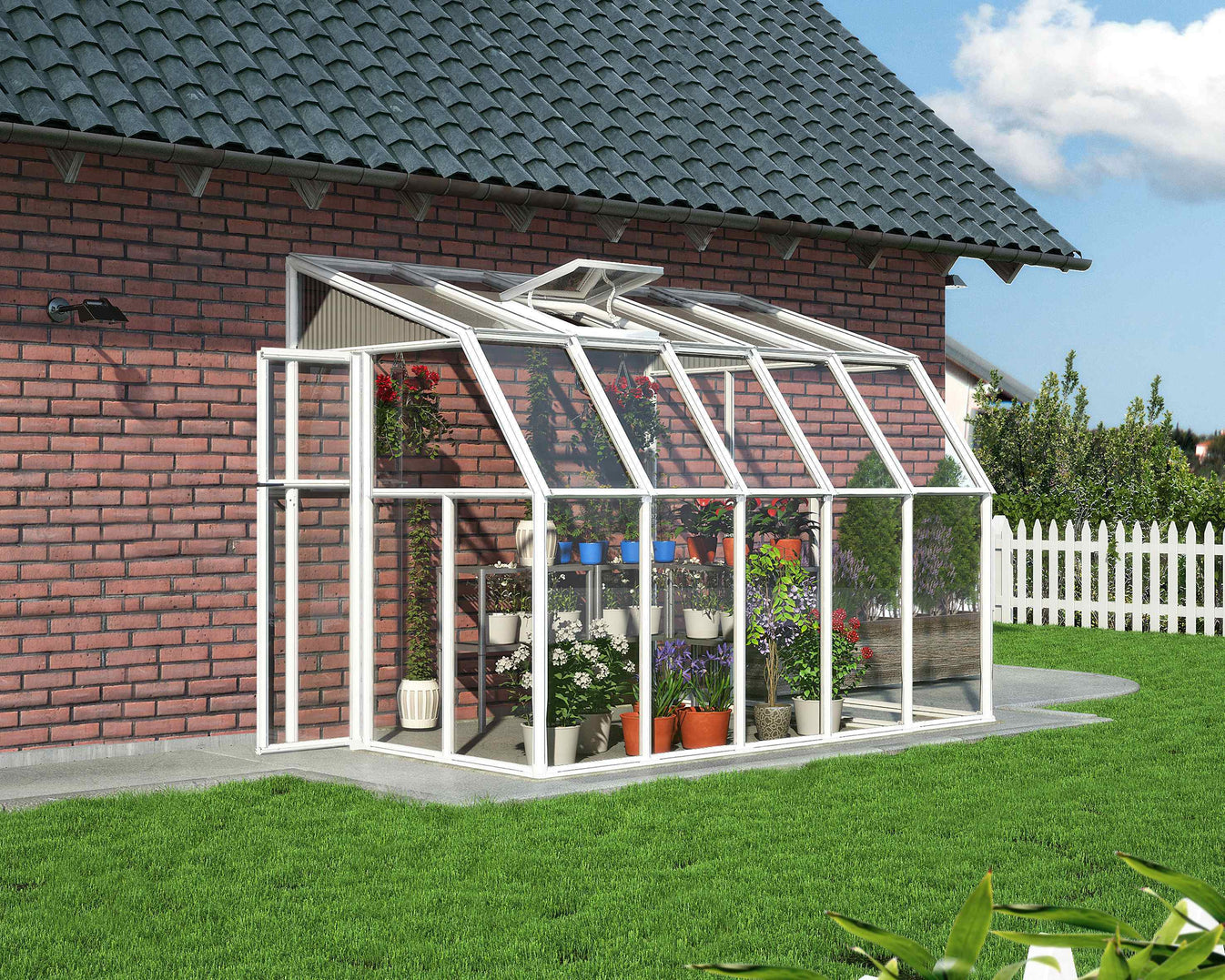
These dimensions create year-round sanctuaries that extend your growing season whilst providing serene retreats for relaxation and entertaining. The robust aluminium frame construction ensures durability, and twin-wall polycarbonate panels deliver the insulation and light transmission that makes these spaces comfortable across seasons. Perfect for the British climate, where weather can shift from sunshine to showers and back again within hours.

The 6ft x 12ft Rion sunroom configuration provides even more flexibility, creating an elegant structure that British garden enthusiasts particularly appreciate. That 12ft length gives you room to zone the space, perhaps with furniture at one end and plants at the other, or creating distinct areas for different times of day. The aluminium frame and polycarbonate panel construction delivers rust-resistant durability that lasts for decades with minimal maintenance.

The Rion 8ft x 10ft sunroom option brings that extra width that makes a noticeable difference to usability. Large clear polycarbonate panels maximise natural light, creating genuinely bright spaces where you'll want to spend time. Adjustable vents enhance airflow, helping regulate temperature and humidity. The white powder-coated aluminium frame maintains its appearance year after year, and assembly remains achievable for DIY enthusiasts following the clear instructions.
How do these sizes compare to small conservatory costs? A professionally installed conservatory of comparable size would typically start around £8,000-£12,000. These sunrooms deliver similar covered space and natural light for a fraction of that investment, with the added bonus of DIY installation that saves thousands more.
Large Sunrooms for Spacious Gardens (8ft x 12ft to 8ft x 14ft)
Larger gardens and extensive patio areas can accommodate substantial sunrooms that provide covered living space genuinely comparable to small conservatories.
These sizes are ideal for serious entertaining and year-round use. You have room for multiple furniture zones: a dining area seating eight, a separate lounge section with sofas, and dedicated plant display areas. The space doesn't feel cramped when hosting gatherings, everyone can circulate comfortably.
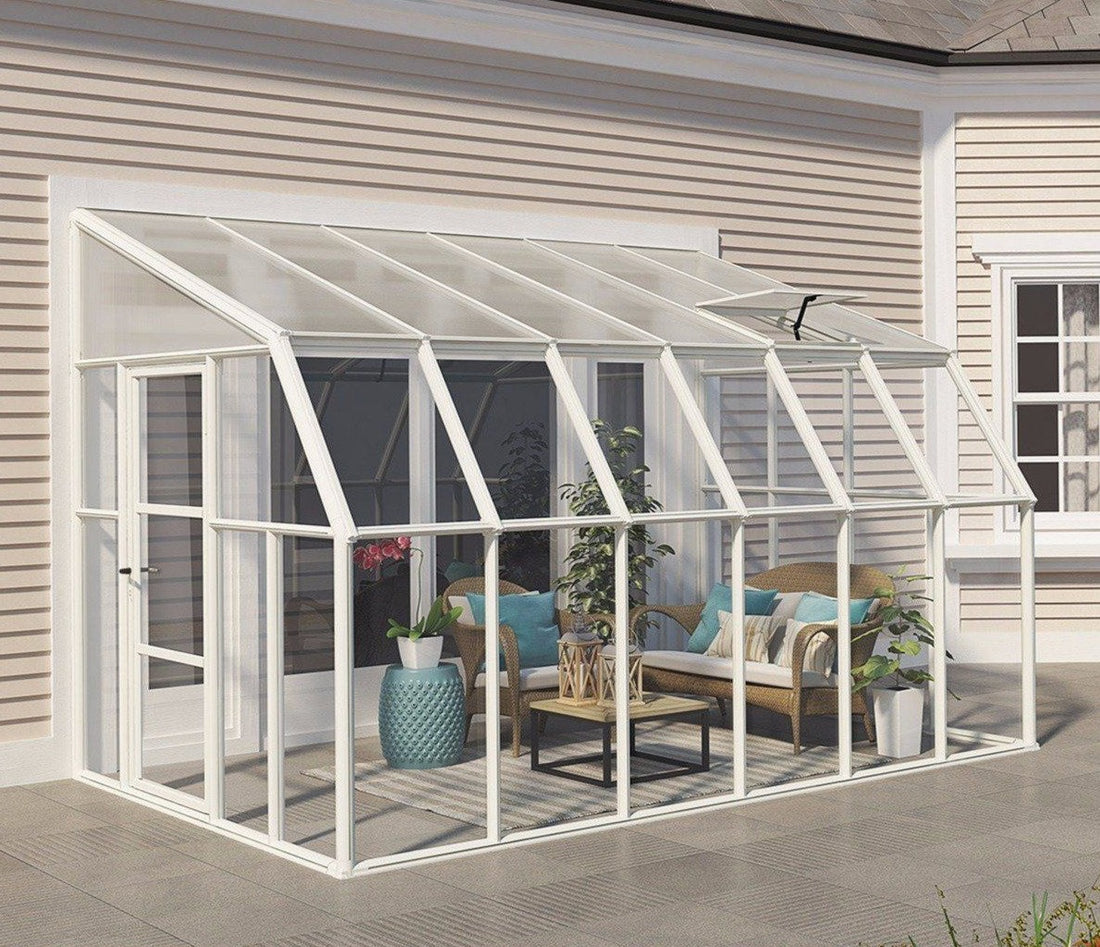
This configuration creates a genuine garden sanctuary where nature meets home comfort. The space maximises your garden's potential for year-round enjoyment. Transparent polycarbonate panels allow natural light to flood the interior whilst providing insulation against temperature extremes. Adjustable vents promote airflow, helping regulate the environment naturally. Assembly remains straightforward despite the larger size, and the weather-resistant materials ensure decades of use. The versatility is remarkable: use it for gardening, storage, or entertaining as needs change.

The Rion 8ft x 14ft large sunroom model represents the largest in the standard range, perfect for Britain's unpredictable weather. This substantial structure lets you enjoy garden beauty whilst remaining sheltered from elements that would otherwise drive you indoors. The covered area is genuinely room-sized, providing meaningful living space that extends how you use your property. UK-made quality ensures the construction meets our specific climate demands.
Cost comparison remains striking even at these larger sizes. A conservatory of similar dimensions would typically cost £12,000-£18,000+ installed. These large sunrooms still come in at a fraction of that investment, delivering comparable covered space and functionality.
Planning considerations become more important with larger structures. Whilst many sunrooms qualify as permitted development, structures exceeding certain sizes or positioned too close to boundaries might require planning permission. Always check with your local authority before proceeding, a quick conversation with the planning department clarifies exactly what's permitted for your specific property.
Premium Sunroom Option: SanRemo Collection
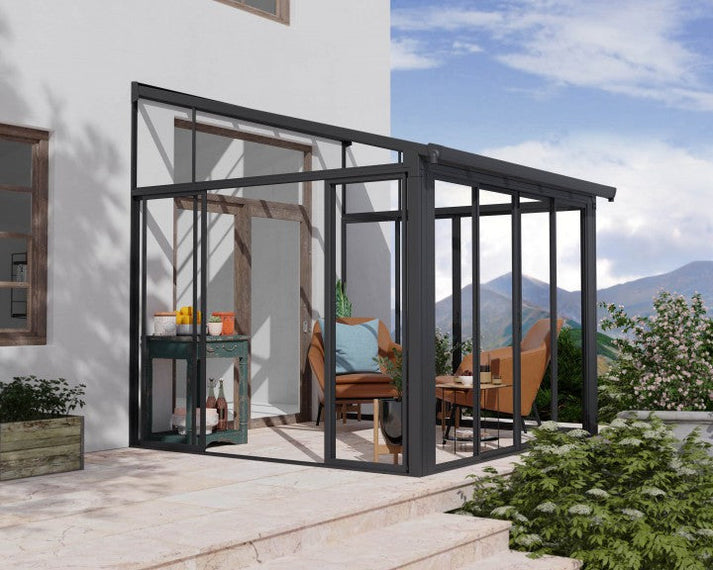
The sleek contemporary aesthetic with grey finish provides a more sophisticated look than standard white models. At 3m x 3m (roughly 10ft square), the Sanremo sunroom configuration offers good space, around 9 square metres of covered living area. That's enough for proper furniture arrangements, creating genuinely versatile outdoor rooms perfect for tranquil reading areas or vibrant entertaining spaces. The UK-made construction uses high-quality polycarbonate panels that deliver excellent durability alongside attractive aesthetics.

The larger 3m x 4.25m SanRemo sunroom option takes things further, creating a structure that's genuinely more than just a patio cover. This becomes a versatile extension of your home that invites outdoor beauty inside. The extensive glazing maximises natural light, whilst the weather-resistant design handles British conditions without compromise. Three double lockable sliding doors provide security alongside convenient access. The durable powder-coated aluminium frame maintains its appearance for years, and the 10-year warranty demonstrates the manufacturer's confidence in build quality. Assembly remains DIY-friendly despite the premium specification.
How does this compare to mid-range conservatories in quality and cost? In build quality, these SanRemo models approach conservatory standards with their substantial frames, quality panels, and refined details. In cost, they remain significantly more affordable. Where a mid-range conservatory might cost £10,000-£15,000, these premium sunrooms deliver similar aesthetics and functionality for less than half that investment.
They're suitable for homeowners wanting conservatory aesthetics with sunroom practicality, those who appreciate contemporary design, and anyone seeking the best available sunroom quality without stepping up to full conservatory construction.
Installation and Planning: Sunrooms vs Conservatories
DIY Installation of Modern Sunrooms
Modern sunroom kits are designed specifically for homeowner assembly. The process typically follows a logical sequence: prepare the base, assemble the frame sections, attach the structure to your wall, install roof panels, fit wall panels, hang doors, and complete weatherproofing seals.
Tools required are basic: cordless drill, spanners or socket set, spirit level, tape measure, stepladder, and perhaps a saw for any final adjustments. You don't need specialist equipment or professional-grade tools.
Skills required are similarly accessible. If you're comfortable assembling flat-pack furniture, confident using a drill, and willing to work methodically through instructions, you can build a sunroom. The components are designed to fit together precisely, pre-drilled holes align properly, and fixings are included.
Time investment typically ranges from one to two days with a helper. Compact models might go up in a day, larger configurations might take a full weekend. Factor in base preparation time beforehand, you need a solid, level foundation before starting the structure.
Foundation requirements are straightforward but important. Many sunrooms work fine on existing paving slabs, provided they're level and stable. For new installations, a base of compacted hardcore topped with paving slabs works well. Larger structures benefit from a concrete pad. The critical factor is achieving a level surface, if your base isn't level, your frame will twist during assembly and panels won't fit properly.
Professional Conservatory Installation
Conservatories typically require professional installation for good reasons. The construction involves skills most homeowners don't possess: laying brick courses for dwarf walls, installing complex glazing systems, ensuring thermal efficiency meets building regulations, and integrating electrical work safely.
Building control requirements are significant. Conservatories must comply with regulations regarding thermal separation from the house, structural safety, glazing safety, electrical installation, and drainage. Building control officers inspect the work at various stages, ensuring compliance.
Foundation and base preparation is substantial. Professional installers dig foundation trenches, pour concrete, allow curing time, then build dwarf walls. This groundwork alone takes days and requires skills and equipment beyond typical DIY capabilities.
Timeline expectations for conservatory installation typically span two to four weeks from starting groundwork to completion. This includes foundation preparation, construction time, inspections, and final finishing. Weather can extend this if conditions prevent working.
Quality assurance and warranties come with professional installation. Reputable conservatory companies guarantee their work, provide insurance-backed warranties, and maintain standards that protect your investment. If something goes wrong, you have recourse.
Planning Permission and Regulations
When is planning permission needed for either option? Generally, if your structure meets permitted development criteria, you don't need permission. These criteria include: under 4 metres high for lean-to roofs, covering less than 50% of garden area, positioned at least 2 metres from boundaries, and not extending beyond the front of the original house.
Permitted development rules in the UK are designed to allow reasonable home improvements without formal permission. However, these rules don't apply to listed buildings, properties in conservation areas, flats, or maisonettes. In these cases, planning permission is required regardless of size.
Building regulations for conservatories require notification to building control, even when planning permission isn't needed. The regulations cover thermal efficiency (conservatories must be thermally separated from the house or built to extension standards), structural safety, glazing safety, electrical work, and drainage.
Simpler requirements for sunroom structures mean many avoid building control involvement entirely. They're lighter structures, they don't integrate with your heating system, and they don't include electrical installations typically. That said, it's always worth checking.
The importance of checking with your local authority cannot be overstated. Planning regulations vary by area, and assumptions can lead to problems. A quick phone call or email clarifies exactly what's required for your specific property and intended structure.
Making Your Choice: Sunroom vs Conservatory for Your Home
After exploring all these factors, how do you actually decide which option suits your circumstances?
The key differences between conservatories and sunrooms come down to construction permanence, cost, installation complexity, and regulatory requirements. Conservatories are permanent structures requiring professional installation and significant investment but offering traditional aesthetics and potentially higher property value impact. Sunrooms are lighter, more affordable structures suited to DIY installation, providing practical outdoor living space without the complexity or expense.
A quick decision framework helps:
- Budget: Under £5,000? Sunroom makes sense. £8,000+? Conservatory becomes viable.
- DIY Confidence: Comfortable with assembly? Sunroom works. Prefer professionals? Conservatory suits.
- Intended Use: Occasional garden room, growing space, or flexible outdoor area? Sunroom. Year-round formal living space? Conservatory.
- Property Type: Modern home or practical approach? Sunroom. Period property wanting traditional extension? Conservatory.
Both options provide natural light and extended living space, that's their shared benefit. They create connections between your home and garden, they offer weather protection whilst maintaining outdoor views, and they enhance how you use your property.
Modern sunrooms offer an accessible entry point without sacrificing quality. Contemporary materials and designs deliver comfort and durability at price points that make outdoor living spaces achievable for homeowners working with modest budgets. You're not settling for inferior construction, you're choosing a different approach that prioritises practicality and value.
Conservatories suit those wanting permanent, traditional extensions. If budget permits, if professional installation is preferred, and if the aesthetic and architectural presence of a proper conservatory appeals, that's the right choice. There's nothing wrong with investing in quality permanent structures.
Orangeries serve homeowners seeking premium architectural statements. They cost more than either conservatory or sunroom but deliver room quality that approaches full extensions whilst maintaining that light-filled conservatory character.
There's genuinely no "wrong" choice, only the right option for your individual circumstances. Your budget, your DIY capability, your intended use, your property type, and your personal preferences all factor into the decision.
Consider modern sunroom kits as practical alternatives that deliver real value. They've made covered outdoor living accessible to homeowners who previously couldn't justify conservatory costs. They've simplified installation to the point where regular people successfully build them over weekends. And they've proven themselves in British gardens, providing comfortable, usable space that enhances outdoor enjoyment year-round.
The ultimate goal is enhancing your home and garden connection, creating spaces where you'll spend time and make memories. Whether you achieve that through a traditional conservatory, a contemporary sunroom, or a premium orangery matters less than ending up with something you love using. Choose based on your specific situation, and you'll make the right decision for your home.


