
Lean-To Sunroom Kits: Complete Guide to DIY Conservatory & Sun Room Solutions for UK Gardens
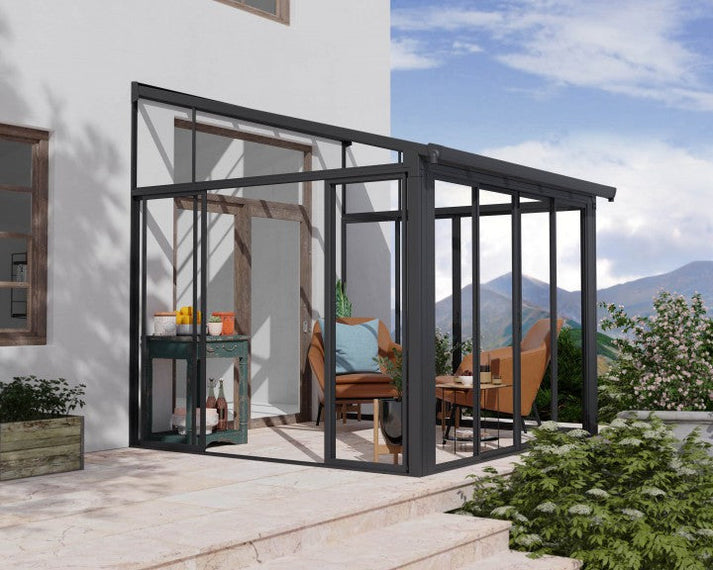
For many of us, the British weather has a frustrating habit of limiting how we enjoy our gardens. We invest in beautiful outdoor spaces, only to watch them sit unused for months because it's too cold, too wet, or just too unpredictable. Traditional conservatories offer a solution, but they often come with eye-watering price tags and complex planning requirements that put them out of reach.
This is where lean-to sunroom kits have changed the game. These clever structures attach directly to your existing house wall, maximising your outdoor space without the footprint or cost of a freestanding conservatory. They've become hugely popular across the UK, and honestly, it's easy to see why.
The DIY revolution in sunroom kits has made them accessible to regular homeowners. You don't need professional builders or specialist skills anymore. Modern kits arrive with everything you need, clear instructions, and designs that make installation genuinely achievable over a weekend with a helper. Materials have improved too, with polycarbonate panels offering brilliant insulation and UV protection, wooden structures bringing traditional charm, and aluminium frames delivering contemporary style.
In this guide, I'm walking you through everything you need to know about lean-to sunroom kits. We'll explore what makes them different from traditional conservatories, compare materials so you can choose what suits your garden best, and look at specific solutions that work for different budgets and spaces. Whether you're after a cosy reading nook, a year-round growing space, or an outdoor dining area you can actually use in British weather, there's a lean-to option that'll work for you.
What Is a Lean-To Sunroom? Understanding Your Options
A lean-to sunroom is essentially a single-slope structure that attaches directly to an existing wall of your house, garage, or outbuilding. Unlike freestanding conservatories or garden rooms that need to be built from scratch with four walls and a full roof system, lean-to designs use your existing wall as one side, which is why they're so space-efficient and cost-effective.
The design is beautifully simple. You've got a sloping roof that starts at your wall and angles downward, supported by a frame along the front and sides. This creates a covered space that feels like an extension of your home whilst maintaining that connection to your garden. The slope naturally sheds rainwater away from your house, which matters more than you might think in our climate.
What makes lean-to conservatories particularly brilliant for UK gardens is their versatility. The same basic structure can serve completely different purposes depending on how you set it up. Add comfortable furniture and you've created a lounge area where you can relax with a book even when it's pouring outside. Install shelving and staging, and it becomes a productive greenhouse for extending your growing season. Set up a dining table, and you've got an outdoor eating area you can use from March through October, maybe even year-round with some heating.
The basic components are straightforward: roof panels (usually polycarbonate or glass), a frame system (aluminium, wood, or resin), glazing for the sides, doors for access, and ventilation features like windows or adjustable roof vents. Quality kits include all the fixings, seals, and weatherproofing you need to create a watertight structure.
Choosing the Right Material for Your Lean-To Sunroom
Polycarbonate Sunroom Kits
Polycarbonate has become the go-to material for modern sunroom kits, and there are solid reasons why. These lightweight panels offer brilliant UV protection, keeping you comfortable even on sunny days without that greenhouse effect where you're slowly roasting. The material naturally filters harmful UV rays whilst letting through plenty of natural light.
Twin-wall polycarbonate panels are the standard for quality sunrooms. Unlike single-layer sheets, twin-wall construction creates air pockets between two layers of material. This provides genuine insulation, keeping your sunroom warmer in winter and cooler in summer. Single-layer polycarbonate is cheaper but offers minimal insulation, it's really only suitable for structures you'll use in warmer months.
Durability is impressive. Quality polycarbonate panels are virtually unbreakable, they'll withstand hailstones, falling branches, and general knocks that would shatter glass. They're also much lighter than glass, which makes them easier to handle during DIY installation and puts less stress on the supporting frame.
Light transmission is where polycarbonate really shines. You get lovely diffused light that fills the space without harsh glare or dark spots. It creates this bright, airy feeling that makes the sunroom genuinely pleasant to spend time in. The panels maintain their clarity for years too, though they will develop a slight yellowing over decades of UV exposure.
Cost-effectiveness is another major benefit. Polycarbonate panels cost significantly less than equivalent glass glazing, which is partly why sunroom kits have become so affordable. You're getting solid performance without the premium price tag.
Maintenance requirements are minimal. Wash them occasionally with soapy water and a soft cloth, avoid abrasive cleaners that can scratch the surface, and that's about it. The panels don't rot, rust, or require treatment like some other materials do.
Our Top Lean-To Sunroom Solutions for UK Gardens
I've selected these three products because they represent the best options across different budgets, sizes, and intended uses. Whether you're looking for premium outdoor living space, practical patio coverage, or traditional greenhouse functionality, one of these will suit your needs.
Best Polycarbonate Lean-To Sunroom: SanRemo 3m x 3.05m Grey Polycarbonate Sunroom
If you're serious about creating a genuine outdoor living space that you'll use throughout the year, the SanRemo from Canopia by Palram represents the premium end of polycarbonate sunrooms. This isn't just a patio cover, it's a proper room that extends your home into the garden.
The 3m x 3m dimensions give you substantial usable space. That's roughly 9 square metres, enough for a comfortable lounge setup with sofa and chairs, or a dining table that seats six people easily. For medium to large gardens, this size creates a real presence without overwhelming your outdoor space.
Canopia by Palram has built a strong reputation for quality garden structures. They're one of the leading manufacturers in this field, and the build quality shows. The components fit together precisely, the materials are high-grade, and the engineering is sound. You're buying from a company that understands what works in real-world conditions.
The grey finish gives this sunroom a contemporary aesthetic that suits modern homes brilliantly. It's sophisticated without being stark, complementing most exterior colour schemes whilst maintaining a sleek, architectural appearance. Grey has become hugely popular for garden structures because it works in so many different settings.
Year-round usability is what sets quality sunrooms apart from basic patio covers. The SanRemo uses twin-wall polycarbonate roof panels that provide genuine insulation. In summer, the UV-resistant panels keep the space from overheating whilst filtering harsh sunlight. In winter, that insulation helps retain any warmth, whether from sunshine or a small heater. You can realistically use this space from March through November without any additional heating, and year-round if you add a source of warmth.
The versatility is what I particularly like about this size and quality. Set it up as a lounge area with comfortable outdoor furniture and you've created the perfect spot for morning coffee or evening relaxation. Add a dining table and it becomes your favourite place for summer meals. Include some plants and staging, and it works as an extended growing space. The structure itself doesn't dictate the use, you can adapt it to your lifestyle.
Assembly is designed for DIY installation, though you'll definitely want two people for this. The components are pre-cut and pre-drilled, the instructions are clear, and everything you need is included in the kit. Most people complete installation over a weekend. You'll need basic tools and a solid, level base (paving slabs or concrete), but you don't need specialist skills or equipment.
Best Value Polycarbonate Patio Cover: Rion 6ft x 12ft Sun Room & Patio Cover

The Rion patio cover sits in that sweet spot between affordability and quality. At 6ft x 12ft (roughly 1.8m x 3.6m), it's long and relatively narrow, which makes it perfect for covering patio areas along the back of your house or creating covered walkways.
The dimensions suit typical UK patio configurations brilliantly. Many homes have patio areas that run along the back wall, and this 12ft length provides substantial coverage for seating areas, outdoor kitchens, or dining spaces. The 6ft depth is enough to keep furniture and people dry whilst not projecting too far into your garden.
White aluminium framing creates a clean, bright appearance that works well with most house styles. The rust-resistant construction means this frame will look the same in 10 years as it does today. Aluminium doesn't rot, warp, or require treatment, you fit it and forget about maintenance beyond occasional cleaning.
For British weather conditions, the combination of aluminium frame and polycarbonate roof panels makes perfect sense. The frame won't rust in our damp climate, and the roof panels handle rain, wind, and temperature changes without degrading. This is a structure designed for year-round outdoor exposure.
Best Wooden Lean-To Greenhouse: Shire 7x3 Holme Wooden Lean To Greenhouse

For gardeners who want dedicated growing space rather than outdoor living areas, the Shire Holme represents the traditional approach done properly. This is a wooden lean-to greenhouse that maximises growing potential whilst fitting neatly against your house, garage, or shed wall.
The traditional aesthetic appeals to people who appreciate classic greenhouse design. There's something satisfying about the combination of timber frames and glass panels that polycarbonate alternatives just don't capture. If your garden has a cottage feel or period charm, this wooden structure fits the setting perfectly.
At 7ft x 3ft (2.1m x 0.59m), this is genuinely compact. The narrow 3ft depth means it works in spaces where larger structures wouldn't fit. Got a narrow side passage along your house? This greenhouse makes productive use of that space. Limited patio area? The small footprint leaves room for other uses whilst still giving you valuable growing space.
Toughened glass panels provide crystal-clear views and maximum light transmission. Unlike polycarbonate which diffuses light, glass gives you that traditional greenhouse clarity. You can see your plants clearly, and they receive direct, unfiltered sunlight. For serious plant propagation and cultivation, many gardeners prefer glass.
Safety matters with glass structures, which is why the toughened specification is important. If a panel does break (which is rare), it crumbles into small, relatively harmless pieces rather than creating dangerous shards. That said, toughened glass is remarkably strong and handles normal knocks and weather conditions without issues.
Pressure-treated timber forms the frame, providing protection against rot and decay. The treatment penetrates the wood, protecting from the inside rather than just coating the surface. This is crucial for outdoor structures in our damp climate. With proper maintenance (an annual coat of preservative), this timber frame will last for decades.
Sunroom Kit Components & Installation
What's Typically Included in Sunroom Kits
Quality sunroom kits arrive with everything you need for the structure itself. Frame components come pre-cut and usually pre-drilled, whether they're aluminium extrusions, resin mouldings, or timber pieces. These form the skeleton of your sunroom, providing structural support and attachment points.
Roof panels are the most visible component. With polycarbonate kits, you'll receive twin-wall polycarbonate roof panels cut to size, along with closure strips that seal the ends and prevent moisture or insects entering the hollow channels. Glass-roofed options (less common in DIY kits) include toughened safety glass panels with appropriate spacing and support systems.
Wall panels or glazing for the sides might be polycarbonate sheets, acrylic panels, or glass, depending on your kit. These typically slide into tracks or channels in the frame rather than requiring complex fixing methods. Some kits use solid panels for the lower sections with glazing above, creating a more enclosed feeling.
Door systems vary by design. Simple kits might have a basic hinged door with a handle and lock. More sophisticated sunrooms include sliding doors or French door configurations. All necessary hardware, hinges, handles, and locks should be included.
Fixings and fasteners are usually supplied in labelled bags corresponding to assembly stages. You'll get screws, bolts, brackets, and any special connectors needed. Quality kits include spares in case you drop one in the grass or accidentally strip a thread.
Seals and weatherproofing components ensure your sunroom stays watertight. This includes rubber or foam seals for joints, silicone or butyl tape for panel edges, and compression strips that prevent water ingress. Proper sealing is what separates a functional sunroom from a leaky shelter.
Ventilation features like adjustable roof vents or opening windows should come installed in their respective panels or as separate components you fit during assembly. Adequate ventilation prevents condensation and overheating.
Assembly instructions have improved dramatically in recent years. Expect detailed manuals with diagrams, step-by-step photographs, and clear written directions. Some manufacturers provide video guides online as supplementary resources.
What you typically need to supply separately includes the base or foundation (concrete pad, paving slabs, or timber frame), tools for assembly, sealant for final weatherproofing, and any interior furnishings or fittings. The kit provides the structure, you provide the groundwork and finishing touches.
DIY Installation Considerations
Skill level required varies between kits. Basic patio covers are genuinely beginner-friendly, requiring only the ability to use a drill, level, and spanner. More complex sunrooms with multiple panels and sophisticated door systems need moderate DIY skills and confidence working methodically through instructions. If you've successfully assembled flat-pack furniture and done basic home maintenance, you can probably handle most sunroom kits.
Tools needed are thankfully common. You'll want a cordless drill with screwdriver bits, adjustable spanners or a socket set, a spirit level (longer is better), a tape measure, a stepladder, and possibly a saw if any final adjustments are needed. Specialised tools aren't required.
Foundation requirements are crucial and often underestimated. Your sunroom needs a solid, level base. Paving slabs on compacted hardcore work well for smaller structures. Larger sunrooms benefit from a concrete pad. The base must be level, absolutely level. If it's not, your frame will twist during assembly, panels won't fit properly, and doors won't close correctly. Spend time getting the base right before starting the structure.
Attachment to existing walls requires drilling into your house exterior to fix the header bar or back rail. You'll need appropriate fixings for your wall type, masonry bolts for brick or block, heavy-duty screws for timber-clad walls. Ensure you're drilling into solid structure, not just render or cladding. Check for hidden pipes or cables before drilling.
Time estimates for installation typically range from one full day for simple patio covers to a full weekend for substantial sunrooms. These estimates assume two people working steadily with all components and tools ready. Factor in extra time if you're working alone or if this is your first kit assembly.
When to consider professional help becomes relevant if you're uncomfortable working at height, unsure about wall fixings, lacking confidence in your DIY abilities, or simply want the peace of mind that comes with professional installation. Many suppliers offer installation services or can recommend approved fitters.
Two-person assembly is strongly recommended for virtually all sunroom kits. One person can manage some stages, but lifting and positioning roof panels, holding frame sections whilst securing them, and ensuring everything stays level requires two pairs of hands. Trying to work alone takes longer and increases the risk of damage or injury.
Comparing Sunroom Solutions for Different Garden Sizes
Compact Gardens & Small Patios
When you're working with limited space, every square metre counts. Lean-to designs under 3m in width make brilliant use of small areas without overwhelming them. The beauty of the lean-to configuration is that it doesn't consume central garden space, it extends along your wall.
Corner placement strategies work particularly well in compact gardens. Position your sunroom in a corner where it's backed by two walls, and you maximise shelter whilst minimising the structure's impact on your usable garden area. This creates a cosy, protected feeling that larger, freestanding structures rarely achieve.
Vertical space maximisation becomes important when horizontal space is limited. Lean-to greenhouses like the Shire Holme make use of wall height for climbing plants, hanging baskets, and vertical staging systems. You're gardening upwards rather than outwards.
For truly compact spaces, the Shire 7x3 Holme represents an ideal solution. Its narrow 3ft depth means it can fit along side passages, against garage walls, or in corners that would otherwise remain unused. You're creating functional space from areas that previously contributed nothing to your garden enjoyment.
Medium-Sized Gardens
Most UK gardens fall into this category, offering enough space for a proper sunroom without needing to compromise on other garden features. This is where you can achieve balanced proportions that create genuine outdoor rooms.
Multi-purpose sunroom applications work brilliantly at this scale. A 3m x 3m sunroom is large enough for comfortable lounge furniture, a dining table for six, or extensive plant staging. More importantly, it's large enough to serve different purposes as your needs change through the seasons or years.
The SanRemo 3m x 3m configuration represents the ideal medium garden solution. It provides substantial usable space, approximately 9 square metres, whilst not dominating your garden. In a typical 10m x 8m garden, this sunroom occupies roughly 11% of your total space whilst dramatically increasing the usability of the remaining area by providing shelter and extending your effective outdoor season.
This size also balances visual impact with functionality. It's substantial enough to feel like a real structure rather than an afterthought, but not so large that it overwhelms your garden's character or blocks sight lines to other features.
Larger Gardens & Patios
When space isn't a constraint, you can think about sunrooms as genuine outdoor rooms rather than compact additions. Extended configurations of 6ft x 12ft and beyond create spaces with serious capacity.
The Rion 6ft x 12ft patio cover demonstrates how larger structures work in spacious gardens. That 12ft length provides enough coverage for distinct zones, a dining area at one end, a lounge area at the other, or a combination of entertaining space and plant growing area.
Creating outdoor rooms becomes realistic at this scale. You're not just adding covered space, you're designing an extension of your indoor living that happens to be outdoors. This might include permanent furniture, outdoor heating, lighting systems, and decorative elements that make the space feel like a proper room.
Multiple-use potential increases with size. A large sunroom can simultaneously serve as a greenhouse along one side, a dining area in the centre, and a storage area for garden furniture and tools along the back. The structure accommodates different functions within the same footprint.
In larger gardens, these structures also serve as focal points and garden dividers. A substantial lean-to sunroom can define separate garden areas, creating structure and interest in layouts that might otherwise feel undefined or sprawling.
Maintenance & Care for Your Lean-To Sunroom
Polycarbonate Panel Care
Cleaning methods are straightforward but important. Use warm soapy water and a soft cloth or sponge. Avoid abrasive materials like scrubbing pads or harsh chemicals that can scratch the surface. Those scratches not only look unsightly, they can compromise the UV coating over time.
Seasonal inspection routines catch small issues before they become problems. Each spring and autumn, walk around your sunroom looking for any loose fixings, damaged seals, or panels that have shifted. Check inside for signs of leaks after heavy rain, water stains on the floor or running down walls indicate seal failure.
Checking seals and fixings takes minutes but prevents hours of remedial work later. Rubber seals can degrade over years of UV exposure. If they look cracked or have lost their flexibility, replace them. Fixings can work loose through expansion and contraction, a quick check and tighten with a spanner ensures everything stays secure.
UV coating longevity on quality polycarbonate panels typically exceeds 10 years. The coating is part of the manufacturing process, not something applied afterwards, so it won't wear off from cleaning. Eventually, though, all polycarbonate develops some yellowing. This is gradual and doesn't affect structural integrity.
Replacing damaged panels is usually straightforward with modern kits. Panels typically slide into channels or are held by removable trim pieces. If a panel does crack or break (rare but possible), you can order a replacement and fit it without disassembling the entire structure.
Snow load considerations matter in areas that get significant snowfall. Quality sunrooms are designed to handle typical UK snow loads, but if you're in Scotland or northern England where heavy snow is common, you might need to brush off accumulations exceeding 15-20cm to be safe.
Frame Maintenance
Aluminium frame care requires almost nothing. Wash it occasionally with soapy water to remove dirt and grime. Check that drainage holes in the base channels aren't blocked, these allow rainwater to escape rather than pooling inside the frame sections.
Wooden frame treatment schedules are more involved. Plan to treat the timber annually with a good quality wood preservative or stain. This maintains the weather protection and keeps the wood looking good. If you prefer painted finishes, expect to repaint every 3-5 years depending on exposure and paint quality.
Lubrication of moving parts keeps doors and windows operating smoothly. A few drops of light oil on hinges, a spray of silicone lubricant on sliding door tracks, and your sunroom operates like new. Do this annually as part of your spring preparation routine.
Door and window maintenance involves checking that they close properly, seals are intact, and locks function correctly. Doors that have dropped slightly can usually be adjusted by tweaking the hinge screws. Windows that stick might need the tracks cleaning or the runners lubricating.
Weatherproofing checks should focus on anywhere water could potentially enter. The joint where your sunroom meets the house wall is critical, ensure the flashing or seal there remains intact. Corner joints, panel edges, and anywhere different materials meet deserve inspection.
Choosing Between a Sunroom, Conservatory, and Greenhouse
These terms get used interchangeably, but there are genuine differences worth understanding before you commit to a purchase.
Key differences in design and purpose start with structural sophistication. Traditional conservatories are typically built structures with brick or block base walls, full glazing above, and proper foundations. They're designed as habitable rooms. Greenhouses are purely functional growing spaces with maximum glazing and minimal solid surfaces. Sunrooms sit between these extremes, more substantial than greenhouses but less formal than conservatories.
Price point comparisons are significant. A professionally built conservatory typically costs £8,000-£25,000 or more depending on size and specification. A quality greenhouse might range from £400-£2,000. Sunroom kits occupy the middle ground, providing something closer to conservatory functionality at greenhouse pricing, roughly £1,500-£4,000 for quality options.
Planning permission variations matter for larger projects. Full conservatories often require planning permission and building regulations approval, particularly if they include heating and are considered habitable rooms. Basic greenhouses usually fall under permitted development. Sunrooms typically don't need permission if they meet size and position criteria, but checking with your local authority is wise.
Material differences reflect the intended use. Conservatories use architectural-grade materials, full glass double-glazing, and UPVC or aluminium frames designed for habitable spaces. Greenhouses prioritise light transmission with horticultural glass or basic polycarbonate. Sunrooms use intermediate-quality materials, good polycarbonate panels and weather-resistant frames suitable for regular human occupation but not quite to conservatory standards.
When each option makes most sense depends on your priorities and budget. Choose a conservatory if you want a proper room extension, have the budget, and don't mind the planning and building process. Opt for a greenhouse if plant cultivation is your sole focus. Pick a sunroom kit if you want outdoor living space that's protected from weather, achievable on a moderate budget, and possible to install yourself.
Hybrid uses blur these boundaries increasingly. Modern sunrooms function perfectly well as greenhouses whilst also serving as seating areas. Some greenhouses are nice enough to spend time in beyond tending plants. The solarium concept bridges conservatory and sunroom, offering year-round comfort in a space that's distinctly connected to the outdoors.
Long-term value considerations favour quality regardless of category. A cheaply built conservatory might cost more initially but depreciate rapidly if it's poorly constructed. A quality sunroom kit that you install properly will serve you reliably for 20+ years, representing excellent value. A decent greenhouse from a reputable manufacturer similarly outlasts cheap alternatives by decades.
Personal preference factors ultimately matter most. Some people want the formality and architectural presence of a conservatory. Others prefer the practical, hands-on nature of a greenhouse. Many find sunrooms offer the sweet spot, combining usability, affordability, and DIY accessibility in a way that suits how they actually live and use their gardens.
Finding Your Perfect Lean-To Sunroom Kit
Choosing the right lean-to conservatory or sunroom comes down to understanding your priorities. Size matters, but so does material, intended use, and budget. The good news is that modern sunroom kits make it possible to get exactly what you need without compromise.
DIY installation is genuinely accessible now. Manufacturers have refined their designs, improved instructions, and engineered kits that regular homeowners can assemble with basic tools and a helper. You don't need professional building skills, just patience, attention to detail, and a weekend of time.
The year-round benefits for UK gardens make these structures worthwhile investments. Instead of abandoning your outdoor space for half the year, you gain a sheltered area that extends your garden enjoyment from March through November minimum, and potentially year-round with modest heating.
Matching products to specific needs is straightforward once you know what you're after. The SanRemo represents premium polycarbonate construction for those who want the best in terms of size, quality, and longevity. It's an outdoor room in the truest sense, suitable for serious entertaining and daily use.
The Rion patio cover delivers excellent value for practical coverage. If you need weather protection over a substantial area, want something that looks professional, and appreciate the versatility between sun room and patio shelter uses, this hits the mark without excessive cost.
For traditional greenhouse functionality, the Shire Holme brings wooden charm and proven growing performance. It's the choice for gardeners who prioritise plant cultivation and appreciate classic greenhouse aesthetics.
Your outdoor space deserves to work harder for you. A lean-to sunroom makes that possible, creating shelter where there was exposure, extending seasons, and adding functionality that enhances daily life. Whether you're growing tomatoes in March, reading in the rain, or hosting garden parties in October, the right sunroom kit makes it all achievable.


